Upper Mustang Trek
Nepal's old forbidden kingdom, more Tibetan than Tibet
Overview
Upper Mustang doesn't feel like the rest of Nepal, and that's the point. The area was closed to foreigners entirely until 1992. It's still a restricted zone, and the permit costs $500 for ten days. That figure isn't an accident. It's set high on purpose, to keep numbers down and protect a traditional culture that has come through largely intact.
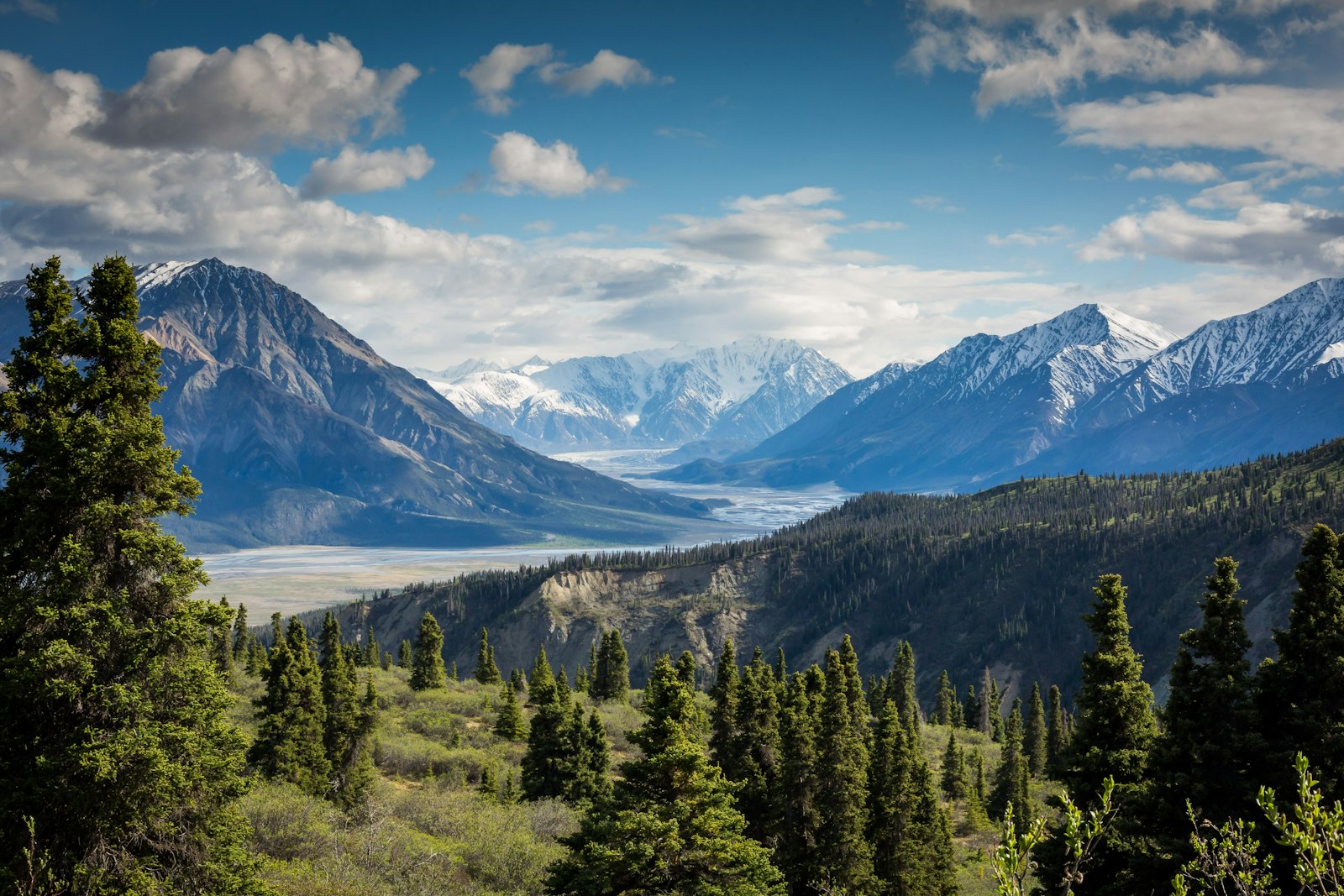
Forget the rhododendron forests and terraced hills of the Annapurna Circuit. Mustang sits in the rain shadow of the Annapurna and Dhaulagiri ranges, so the monsoon that soaks the rest of the Himalaya never makes it over the wall. What's left is dry country: eroded canyons, cliffs banded in red and ochre, deep gorges, and cave systems dug into the rock. It looks more like the high Tibetan plateau just to the north than anything you'll see south of here. People who've been to Utah will recognize the colours.
The culture is essentially a piece of medieval Tibet that never got overwritten. Lo Manthang, the walled capital of the old Kingdom of Lo, is still a working town behind earthen walls that are six centuries old. The kingdom held a measure of political autonomy within Nepal until 2008, and the raja still lives there. The monasteries hold thangka paintings, butter sculptures, and religious objects going back six hundred years. Thubchen Gompa and Jampa Lhakhang in Lo Manthang hold some of the best 15th-century Tibetan Buddhist art you can stand in front of anywhere.
There's one more practical reason to come here: the season. Mustang works in the monsoon (June to August), when most of Nepal is mud, leeches, and cloud. Up here it stays dry and mostly clear. If summer is the only window you've got, this is one of the few treks that holds up.
Come for the culture, the landscape, and the photography rather than the physical challenge. The high point is 4,000m at Lo Manthang, the daily distances are moderate, and a fit, non-specialist walker can handle it.
Day by Day Itinerary
You start with one of Nepal's better short flights: 20 minutes from Pokhara to Jomsom in a small prop plane, weaving between the Annapurna and Dhaulagiri massifs. Jomsom's airstrip is known for afternoon crosswinds that shut down flights, so departures are in the morning. Always fly early. From Jomsom (2,720m) it's about 3 hours north to Kagbeni along the bed of the Kali Gandaki, the world's deepest gorge. Kagbeni is the gateway to Upper Mustang, a medieval village where the permit checkpoint controls who gets into the restricted area. You'll notice the change in the land right away. You've crossed into the rain shadow and the green just stops.
Permits & Cost Breakdown
Required Permits
| Item | Cost | Notes |
|---|---|---|
| Upper Mustang Restricted Area Permit (RAP) | $500 USD per 10 days | The biggest single cost of the trek, priced high on purpose to keep numbers down. Valid for 10 days, with extra days at $50 each. You have to get it through a registered Nepali trekking agency in Kathmandu. You can't buy it on your own or at the trailhead, and it requires a licensed guide. |
| Annapurna Conservation Area Permit (ACAP) | $30 USD | Needed because the approach and exit pass through the Annapurna Conservation Area. Pick it up at a Nepal Tourism Board office in Kathmandu or Pokhara. |
| TIMS Card (Trekkers' Information Management System) | $20 USD | Required for all trekkers in Nepal. Get it at the Nepal Tourism Board office in Kathmandu or Pokhara. Police checkpoints along the route will ask to see it. |
| Licensed Guide (mandatory by law) | Included in guide daily rate | Trekking Upper Mustang without a licensed guide is against the law. The permit system requires both agency registration and a guide. On top of that, without a guide you won't get inside the major monasteries or be introduced to anyone in the villages. |
Additional Costs
| Item | Cost | Notes |
|---|---|---|
| Upper Mustang Restricted Area Permit | $500 USD per 10 days ($50/day additional) | The biggest single cost of the trek, and there's no haggling it down. Plan your route to stay within 10 days inside the restricted area where you can. |
| Licensed Trekking Guide | $50–70 USD per day | Required by law, and genuinely useful here. A guide gets you inside the monasteries, explains what you're looking at, and opens doors with the local community. |
| Porter | $25–35 USD per day | Worth having, though not required. The trails here are gentler than Manaslu or Everest, but over a 14-day trip a porter makes a real difference to how the days feel. |
| Accommodation | $15–35 USD per night | Lo Manthang has the best beds in the region, including a couple of comfortable guesthouses. Villages along the way are basic but clean. In the remote sections, expect very simple rooms. |
| Meals (three per day on trail) | $20–35 USD per day | Dal bhat is the safest bet and the best value everywhere. Lo Manthang has more on the menu. The local Tibetan dishes, tsampa, butter tea, yak meat, are worth ordering at least once. |
| Jomsom Flights (Pokhara return) | $180–240 USD return | Yeti Airlines and Tara Air run the route, and prices move with the season. Book as early as you can. The flight is often overbooked, and last-minute fares run much higher. |
| Permits (ACAP + TIMS) | $50 USD | ACAP ($30) plus TIMS ($20). Both collected at Nepal Tourism Board offices. |
| Travel Insurance | $80–150 USD | It must cover helicopter evacuation to 4,200m. Plenty of standard policies don't go that high, so check the wording before you buy. A helicopter evacuation from Lo Manthang runs $3,000 to $5,000 without insurance. |
| Miscellaneous (tips, Wi-Fi, charging, snacks) | $150–300 USD | Tips for your guide and porter are expected here and matter. Wi-Fi works in Lo Manthang and some of the larger villages. Mustang costs more across the board than other Nepal treks, so the small extras add up faster than you'd think. |
What to Pack
Tips & Important Information
Book the Jomsom flights early
The Jomsom flight is one of the trickiest bits of logistics in Nepal trekking. It's weather-dependent, afternoon winds cancel flights regularly, and the airport has limited slots. Everything goes in the morning. In peak season (October and May) flights sell out weeks ahead. Book both legs before you lock in your trek dates, and keep a backup. The road is long and rough but it's there. Never schedule an international departure from Kathmandu that depends on catching a Jomsom flight the same day.
The wind wears you down, so plan around it
The Kali Gandaki valley is known for its afternoon thermals, winds that surge north through the gorge every afternoon with real force. Walking into a steady 50 to 70km/h headwind at altitude is draining and demoralising in equal measure. Start early, by 7 or 7:30 AM, and aim to be in by early afternoon before the wind tops out. Your guide will know the daily pattern. A windproof hardshell isn't optional here. You'll want it every single day.
It's cash only up here, so carry enough rupees
There are no ATMs anywhere in Upper Mustang. The last one is in Jomsom or Pokhara before your flight. Work out everything you'll need in cash: meals, rooms, monastery entry (usually 200 to 500 NPR each), charging fees, tips for your guide and porter, and an emergency cushion. Budget on the generous side. Figure at least NPR 70,000 to 90,000 (around $500 to $700) for a 14-day trip on top of any pre-paid guide and accommodation package. Change your money in Kathmandu or Pokhara. USD isn't widely accepted on the trail.
Getting into the monasteries takes patience and your guide
The main monasteries, especially Thubchen Gompa and Jampa Lhakhang in Lo Manthang, aren't always open. They're working religious buildings looked after by monks who keep their own hours. Your guide's relationships and local knowledge are what get you there when a caretaker is around and willing to unlock the doors. Entry fees are small (200 to 500 NPR) but you do have to pay them. Photography inside is sometimes allowed for an extra fee, so always ask through your guide before you raise a camera.
Add Lo Gekar, since most trekkers skip it
The detour from Lo Manthang out to Lo Gekar monastery is one of the quieter rewards of this trek. Most groups turn around at Lo Manthang, so the plateau north of the city sees almost no one. Lo Gekar is a genuinely ancient monastery set in a windswept silence that few outsiders ever experience. The extra day on your permit costs $50 and earns it back several times over. If your permit and your schedule allow, do it.
Frequently Asked Questions
Recommended Gear
We earn a small commission at no extra cost to you.
Book a Local Guide via GetYourGuide
Connect with experienced, licensed local guides for a safe, enriching trek — browse availability on GetYourGuide.
More Nepal treks
Khumbu · Challenging
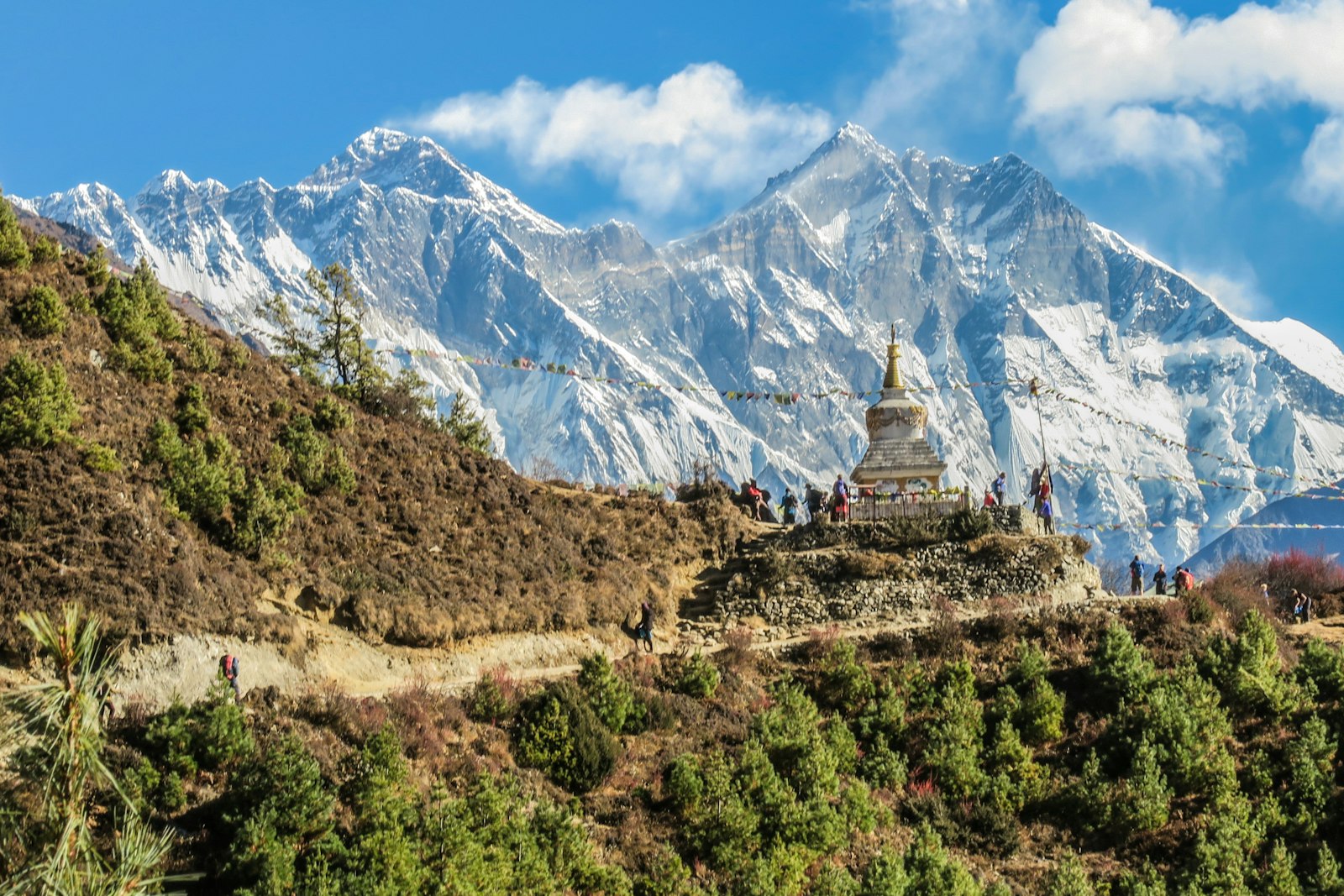
Everest Base Camp Trek
Walk to the foot of the highest mountain on earth
14 days
Annapurna · Moderate
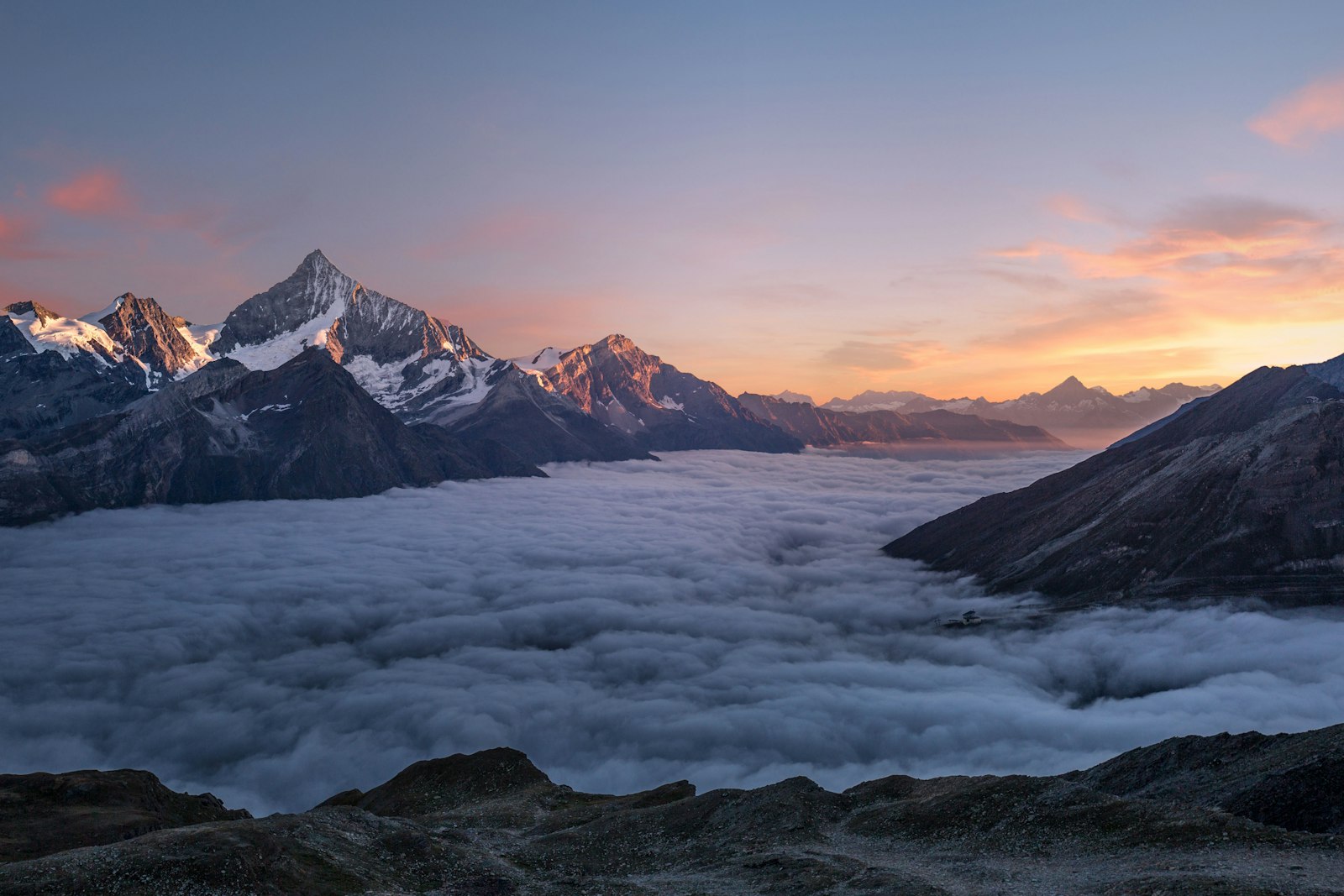
Annapurna Base Camp Trek
Ten days into the Annapurna Sanctuary
10 days
Annapurna · Challenging
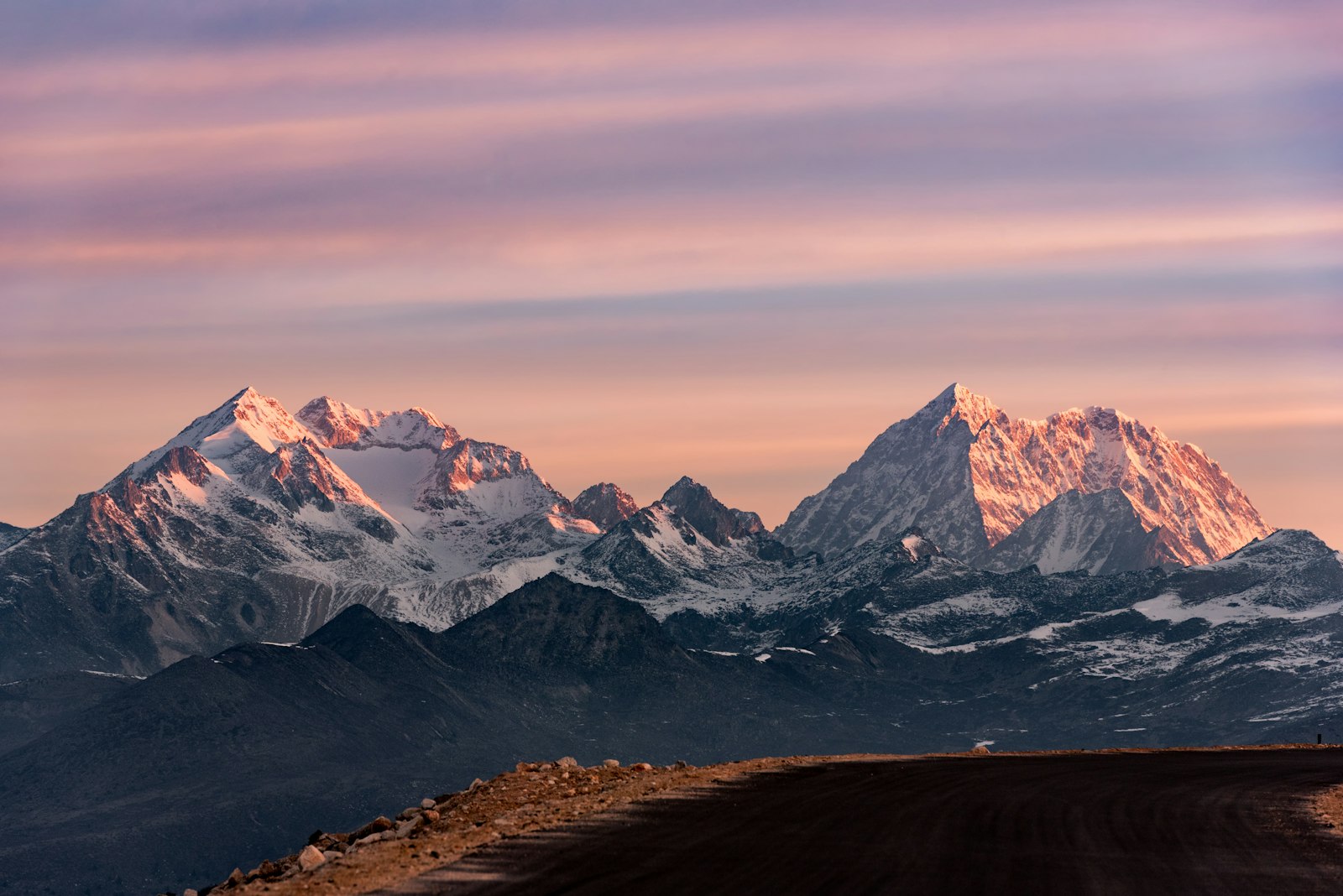
Annapurna Circuit Trek
A full loop around the Annapurna massif, from jungle to high desert
13 days