Annapurna Base Camp Trek
Ten days into the Annapurna Sanctuary
Overview
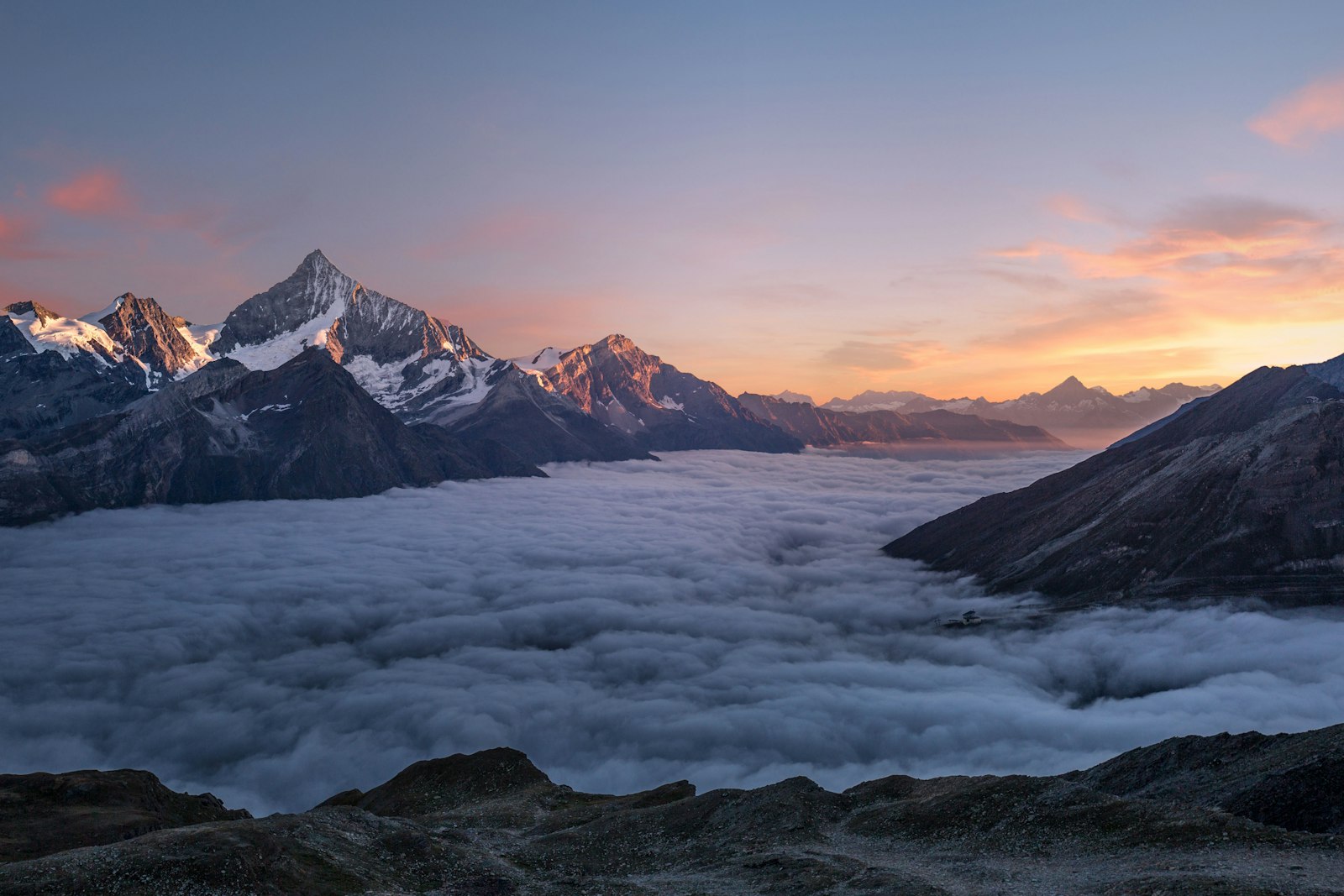
The Annapurna Base Camp trek is the one most people in Nepal will recommend if you want big mountains without the long, expensive logistics of the higher routes. It runs ten days. You start near Pokhara, walk up through rice terraces, rhododendron and bamboo forest, and a string of Gurung and Magar villages, and finish inside the Annapurna Sanctuary, a glacial bowl walled in on every side by peaks above 6,000 metres.
The Sanctuary is the point of the whole trek. Base Camp sits at 4,130 metres in the middle of a near-complete ring of mountains: Annapurna I (8,091m, the world's 10th highest and statistically the deadliest of the 8,000m peaks), Annapurna South, Hiunchuli, the unclimbed Machhapuchhre, Gangapurna, and Glacier Dome. Get up for sunrise and you watch the light move across the peaks one by one, the whole basin turning orange and then gold. It is worth the cold start.
There's a lot to the route beyond the summit views. Gurung villages like Ghandruk and Chhomrong are good places to stop, with stone houses and small museums on the Gurkha military history that runs deep here. The Annapurna Conservation Area is the largest protected area in the country. The rhododendron forests bloom crimson and pink from March to May, and the high valleys hold Himalayan tahr, barking deer, langur monkeys, and the occasional snow leopard, though you are very unlikely to see the last of those.
Two things people remember most: the Poon Hill detour at 3,210m, which gives you one of the best mountain panoramas in the range, and the hot springs at Jhinu Danda on the way down, where you can soak off the descent beside the Modi Khola. The trek suits a fit first-timer. Plenty of people who have walked it before come back and do it again.
Day by Day Itinerary
A 1.5-hour drive west from Pokhara drops you at Nayapul (1,010m), the usual starting point. From there the trail runs up the Modi Khola valley through terraced fields and small bazaar villages. You pass Birethanti, the last ATM and a permit checkpoint, then climb gently to Tikhedhunga, a small village above a loud waterfall.
Permits & Cost Breakdown
Required Permits
| Item | Cost | Notes |
|---|---|---|
| Annapurna Conservation Area Permit (ACAP) | $30 USD | You need this to enter the Annapurna Conservation Area. Get it at the ACAP counter in Pokhara (Lakeside) or at the Birethanti checkpoint. Bring passport-sized photos. |
| TIMS Card (Trekkers' Information Management System) | $20 USD (individual) / $10 USD (group) | Required for all trekkers in Nepal. Get it at the TAAN or Nepal Tourism Board office in Pokhara or Kathmandu before you set off. |
Additional Costs
| Item | Cost | Notes |
|---|---|---|
| Licensed Guide (per day) | $30–40 USD/day × 10 days | A guide handles safety calls, local knowledge and the day-to-day logistics, and is increasingly required under Nepal's rules. Hire through a registered agency to get an accredited one. |
| Porter (per day) | $18–25 USD/day × 10 days | A porter carries up to 25 kg, usually split between two trekkers. Hiring local is also money straight into the villages you walk through. |
| Tea house accommodation | $8–20 USD/night × 9 nights | Rooms are often free or cheap if you eat dinner and breakfast at the same lodge. Prices climb as you go higher. A hot shower runs $3–5 extra above Chhomrong. |
| Meals along the trail | $25–40 USD/day × 10 days | The food on this trail is good for Nepal. Chhomrong and Ghorepani lodges do solid dal bhat, pasta and apple pie. Drinks (hot lemon, tea, beer) and snacks add up, so budget a bit more for those. |
| Pokhara to Kathmandu transport | $20 USD (bus) / $100–120 USD (flight) | The tourist bus is comfortable enough and takes 6–7 hours. The flight is 25 minutes and worth it once your legs are done. Book flights with Yeti Airlines or Buddha Air. |
| Travel insurance with helicopter evacuation | $60–120 USD | Don't skip this even on a moderate trek. At 4,130m altitude sickness is a genuine possibility, and a helicopter evacuation runs $3,000–8,000 USD if you're not covered. Check that your policy actually includes trekking at this altitude. |
| Gear rental or purchase | $80–250 USD | You can rent decent gear cheaply in Pokhara and in Thamel, Kathmandu. For this trek the two rentals worth getting are a sleeping bag rated to -10°C and a waterproof jacket. |
What to Pack
Tips & Important Information
Come in March or April for the Rhododendrons
The forests between Tikhedhunga and Ghorepani hold some of the largest rhododendron trees anywhere, old ones 10–15 metres tall. From mid-March through April they flower crimson, pink and white, often with the mountains behind them. You also get warmer days, steadier weather, and the Annapurna massif clear of the worst winter snow. It's the prettiest time to be on this trail.
Avalanche Risk in the Modi Gorge: Listen to Your Guide
The steep walls of the Modi Gorge between Dovan and MBC can avalanche in winter and after heavy snowfall. Local guides watch the conditions and will push for an early start, before the sun warms the snow and it goes unstable, or call a rest day when the risk is up. Don't argue with your guide's read on this stretch. They know the seasonal patterns and where slides have come down before.
Don't Skip the Jhinu Danda Hot Springs
The hot springs at Jhinu Danda are a highlight for most people: warm, sulphurous pools next to the Modi Khola, a 20-minute walk downhill from the village. After the big descent from ABC they're exactly what your legs want. Try to reach Jhinu by early afternoon on Day 8 so you have 1–2 hours to soak before dinner. Pack a change of clothes and a small towel.
Carry Enough Cash: the ATMs Stop at Pokhara
There are no ATMs on the trail past Pokhara, and nothing reliable at Nayapul. Add up your likely daily costs (room, food, drinks, hot showers, charging, tips) and draw enough Nepali Rupees in Pokhara before you leave. Most people budget NPR 4,000–7,000 (USD $30–55) per person per day on the trail, plus NPR 20,000–30,000 spare for guide and porter tips and anything unexpected. Most lodges will take USD cash as well.
Frequently Asked Questions
Recommended Gear
We earn a small commission at no extra cost to you.
Book a Local Guide via GetYourGuide
Connect with experienced, licensed local guides for a safe, enriching trek — browse availability on GetYourGuide.
More Nepal treks
Annapurna · Challenging
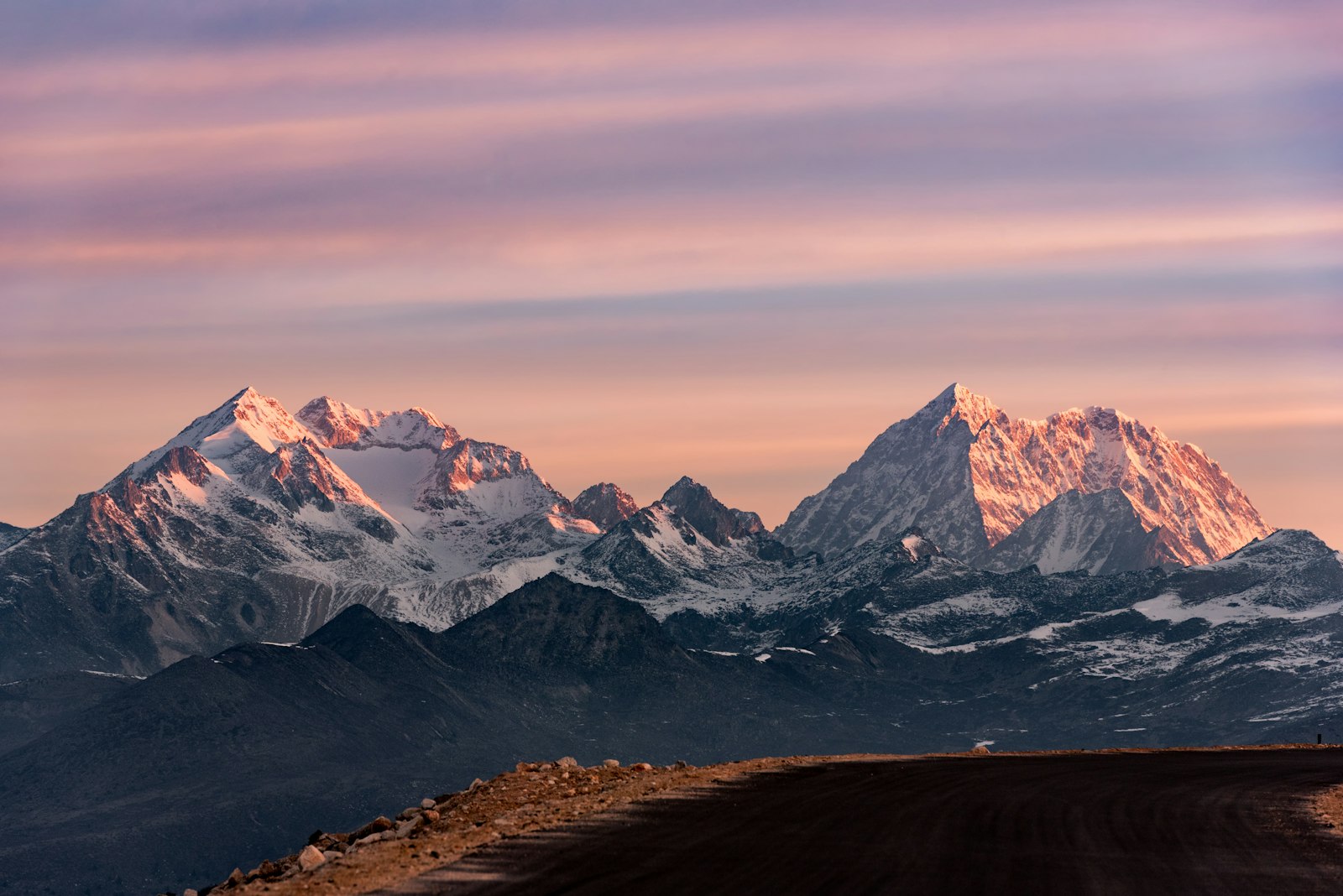
Annapurna Circuit Trek
A full loop around the Annapurna massif, from jungle to high desert
13 days
Annapurna · Easy
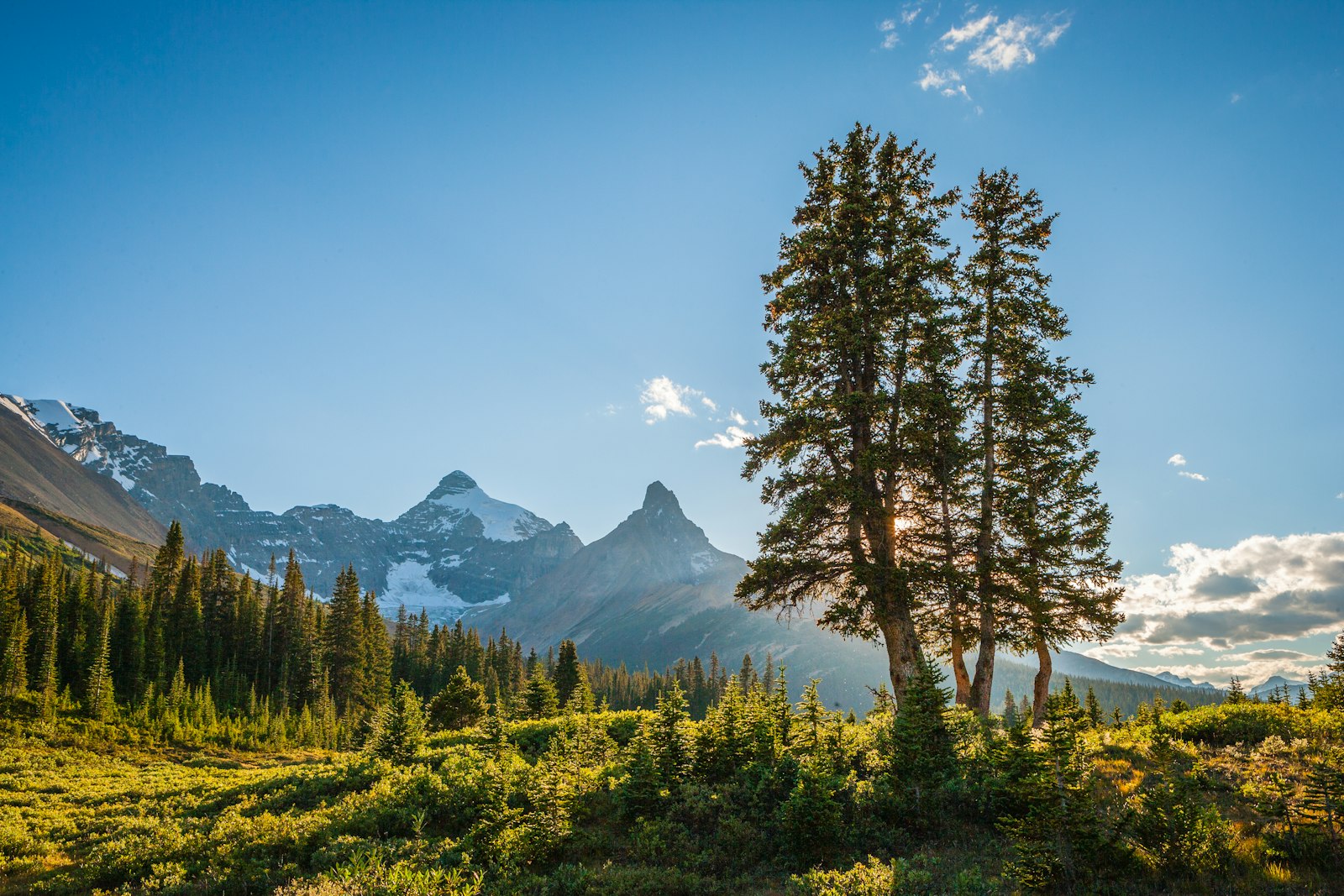
Ghorepani Poon Hill Trek
A short trek to one of Nepal's best dawn views of the Annapurnas
4 days
Khumbu · Challenging
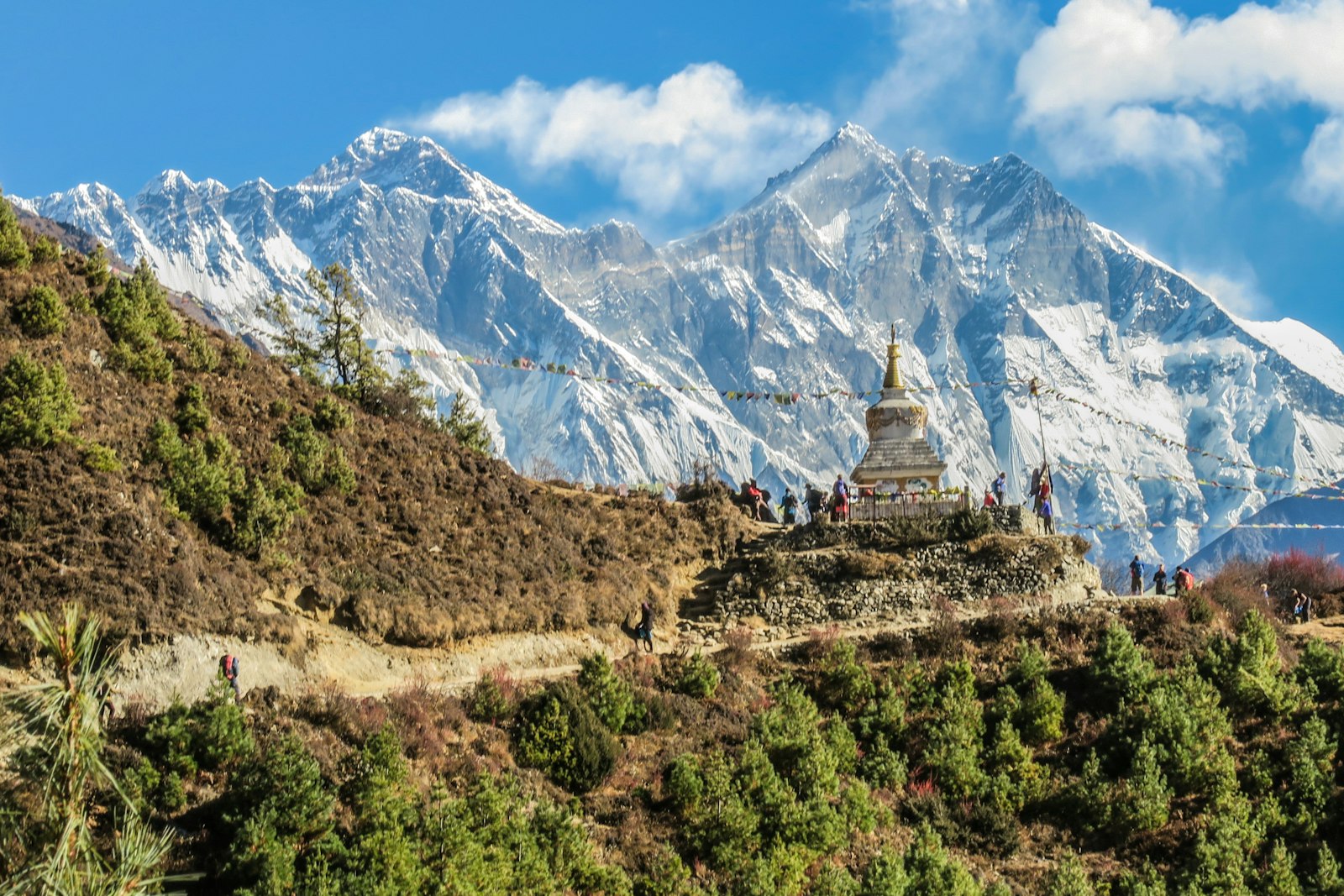
Everest Base Camp Trek
Walk to the foot of the highest mountain on earth
14 days