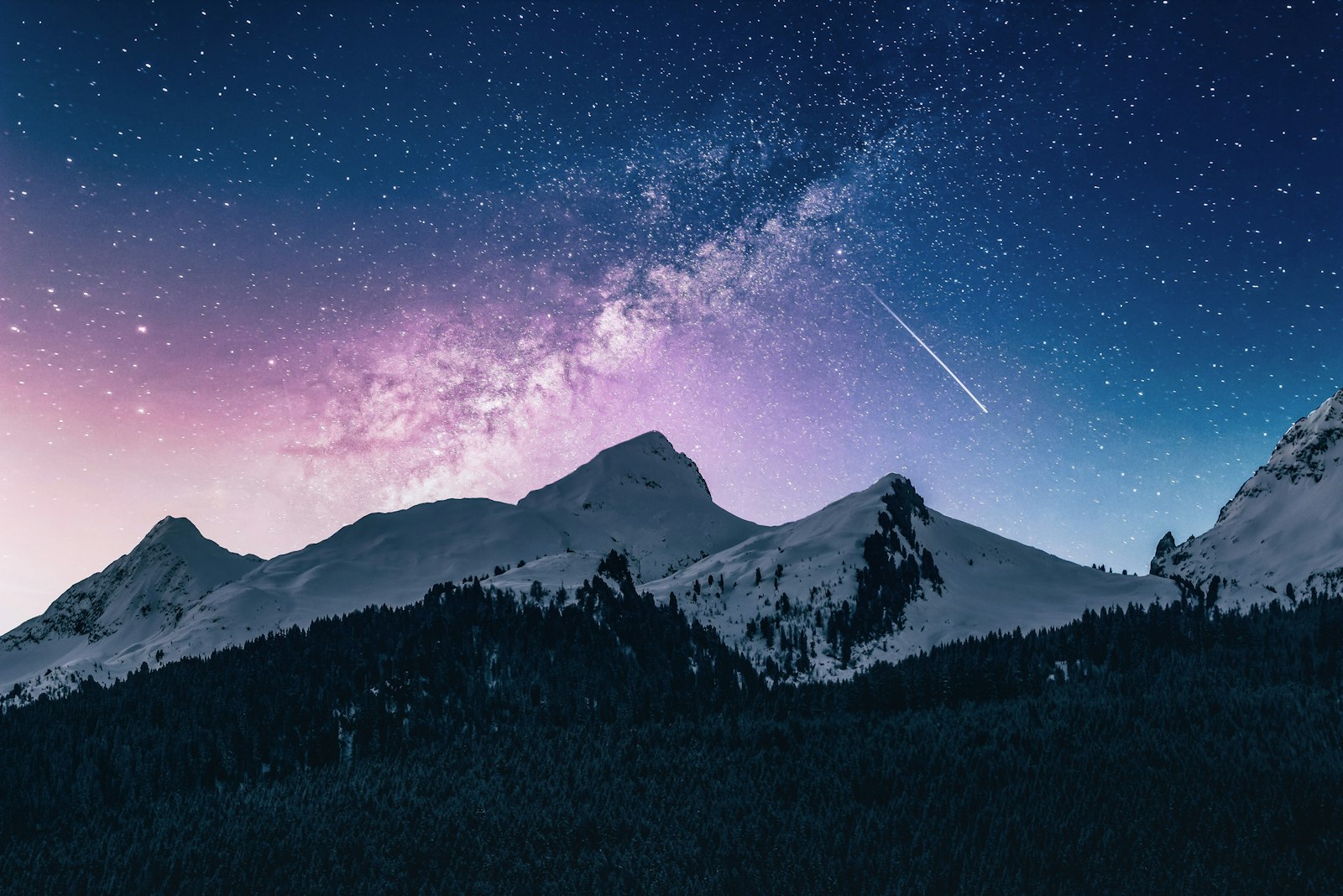
Manaslu Circuit Trek
A full loop around the world's eighth-highest peak, well off the main trails
Overview
The Manaslu Circuit takes you the whole way around Manaslu, the world's eighth-highest peak at 8,163 metres. It's a restricted-area route, which is part of why it has stayed quiet. The Annapurna and Everest trails see far more people. Manaslu still feels like the older, harder Nepal that's getting hard to find.
You start near Gorkha in the subtropical lowlands and climb through one ecological zone after another: river valleys thick with green, old stone villages, high pasture, and eventually the bare glaciated ground above 4,000 metres. For most of the way the trail tracks the Budhi Gandaki River, crossing and re-crossing on suspension bridges. Then the valley walls draw in and everything turns dry and Tibetan.
The culture is as much a reason to come as the mountains. The upper valley is home to a Tibetan Buddhist population that has kept its traditions going for centuries in near-total isolation. Mani walls, chortens, prayer flags, and old gompas mark every village. Samagaon and Samdo, close to the Tibetan border, feel more Tibetan than Nepali. The line between the two countries was never as fixed as a map suggests.
The high point, in both senses, is Larkya La Pass at 5,160 metres. You leave Dharamsala before dawn and pick your way across glacial moraine and snowfields to a col strung with prayer flags. On a clear morning the view runs to Himlung, Cheo Himal, Kangguru, and Annapurna II. From there the trail drops 1,500 metres into Bhimthang in a single day, back into a green world of waterfalls and yak pasture.
This is a route for experienced mountain walkers. The permit rules require a licensed guide, and out here self-rescue is not realistic. You need to acclimatise properly, carry cold-weather gear, and be ready to put up with basic teahouses. Manage all that and you get one of the best high-altitude treks in the country.
Day by Day Itinerary
An early start out of Kathmandu. The 8–9 hour drive runs west on the Prithvi Highway and past Gorkha town, birthplace of the Gurkha soldiers and the Shah dynasty. After that the road turns to a rough track and drops to Soti Khola on the bank of the Budhi Gandaki. Soti Khola is a small string of tea houses and the usual starting point for the circuit. Permits get checked here. Use the evening to sort your gear and run through the plan with your guide.
Permits & Cost Breakdown
Required Permits
| Item | Cost | Notes |
|---|---|---|
| Manaslu Restricted Area Permit (RAP) | $100 USD per week | Required, no way around it. Manaslu is a restricted area, so you have to arrange this in Kathmandu through a registered trekking agency. You can't buy it on your own. Week 1 is $100; each week after that is $75. |
| Manaslu Conservation Area Permit (MCAP) | $30 USD | Needed for the Manaslu Conservation Area. Get it at the Nepal Tourism Board offices in Kathmandu, or at the checkpoint. |
| Annapurna Conservation Area Permit (ACAP) | $30 USD | Needed if you exit via Dharapani into the Annapurna Conservation Area, which the standard circuit finish does. |
| TIMS Card (Trekkers' Information Management System) | $20 USD | Needed by every trekker in Nepal. Pick it up at the Nepal Tourism Board office in Kathmandu or Pokhara. |
| Licensed Guide (mandatory by law) | Included in guide daily rate | Walking the Manaslu Restricted Area without a licensed guide is illegal. Your guide has to hold a government-issued trekking guide licence. Solo trekking is never allowed here. |
Additional Costs
| Item | Cost | Notes |
|---|---|---|
| Licensed Trekking Guide | $50–70 USD per day | Required by law. Your guide deals with the permit checks, finds the route, coordinates any emergency, and translates as you go. This one's not optional. |
| Porter | $25–35 USD per day | Worth it, and not only for comfort. A lighter pack is safer on the high passes. The usual ratio is one porter for every two trekkers. Their insurance and equipment is on you to provide or pay for. |
| Teahouse Accommodation | $10–30 USD per night | More basic and pricier than Annapurna or Everest teahouses, because everything has to be hauled a long way in. The better rooms might have an attached bathroom, but most won't. Basic but clean is what to expect. |
| Meals (three per day on trail) | $25–40 USD per day | Dal bhat is always the best value and is often refilled for free. Western food is around, but it's overpriced and usually disappointing this high up. |
| Permits (total) | $180–220 USD | Covers MCAP, ACAP, and TIMS. The RAP ($100+) usually goes through your agency. |
| Kathmandu–Gorkha Transport | $20–40 USD | Private car or tourist bus. A private jeep is faster and more comfortable if you can split the cost. |
| Besisahar/Dharapani–Pokhara Transport | $15–30 USD | Local jeep or tourist bus runs from Besisahar to Pokhara. |
| Travel Insurance (mandatory) | $80–150 USD | Has to cover helicopter evacuation up to at least 5,200m. Don't skimp on this one for Manaslu. A lot of standard policies stop covering you above 4,000m, so read the fine print. |
| Miscellaneous (tips, Wi-Fi, charging, snacks, water) | $100–200 USD | Tipping your guide and porter is the norm here. Wi-Fi runs $3–8 an hour in a lot of teahouses, and charging a device can cost $2–5 a time. |
What to Pack
Tips & Important Information
Acclimatisation Is Not Optional
Rushing the acclimatisation on this trek can kill you. Don't skip the rest day in Samagaon. If you get symptoms of acute mountain sickness, a bad headache, vomiting, loss of coordination, or confusion, go down at once. Talk to a doctor about Diamox before you leave home. Don't just grab it at a Kathmandu pharmacy without a prescription. The nearest facility that can treat serious AMS is in Kathmandu, and getting there means an evacuation that's expensive and depends on the weather.
Book Permits Through a Registered Agency
You can't buy the Manaslu Restricted Area Permit at the trailhead, and it won't be issued to independent trekkers. Book through a government-registered Nepali agency. Try to trek without valid permits and you're risking confiscation, fines, even deportation. The permit is also tied to your guide's registration, and they cross-check the two at several checkpoints along the way.
Start Larkya La as Early as Possible
Most groups leave Dharamsala between 3 and 4 AM for the crossing. It isn't pointless suffering. It's about safety. Afternoon weather on the pass can fall apart fast, with wind, snow, and whiteout cutting visibility to a few metres. An early start also gets you to Bhimthang while there's still daylight, and the descent is steep and tricky in places. However tired you feel, don't let your guide talk you into a late start.
The Manaslu Circuit Is Cash-Only
There are no ATMs on the circuit. The last reliable one is in Gorkha or Arughat before you set off. Work out everything you'll spend over 14 days, lodging, meals, guide and porter wages, tips, charging, Wi-Fi, and a buffer for emergencies, and carry it all. A common rule of thumb is at least USD $400–600 in Nepali rupees, changed in Kathmandu. Dollar bills won't be accepted on the trail.
Hire a Porter for the Larkya La
Even if you carry your own pack the rest of the trek, give some real thought to hiring a porter at least for the Larkya La day. Put together the altitude (5,160m), the pre-dawn start, the glacial ground, and 24km of distance, and a heavy pack becomes a genuine safety risk. Carrying less means you move faster, tire less, and spend less time exposed up high. It also puts a solid daily wage into the local economy.
Frequently Asked Questions
Recommended Gear
We earn a small commission at no extra cost to you.
Book a Local Guide via GetYourGuide
Connect with experienced, licensed local guides for a safe, enriching trek — browse availability on GetYourGuide.
More Nepal treks
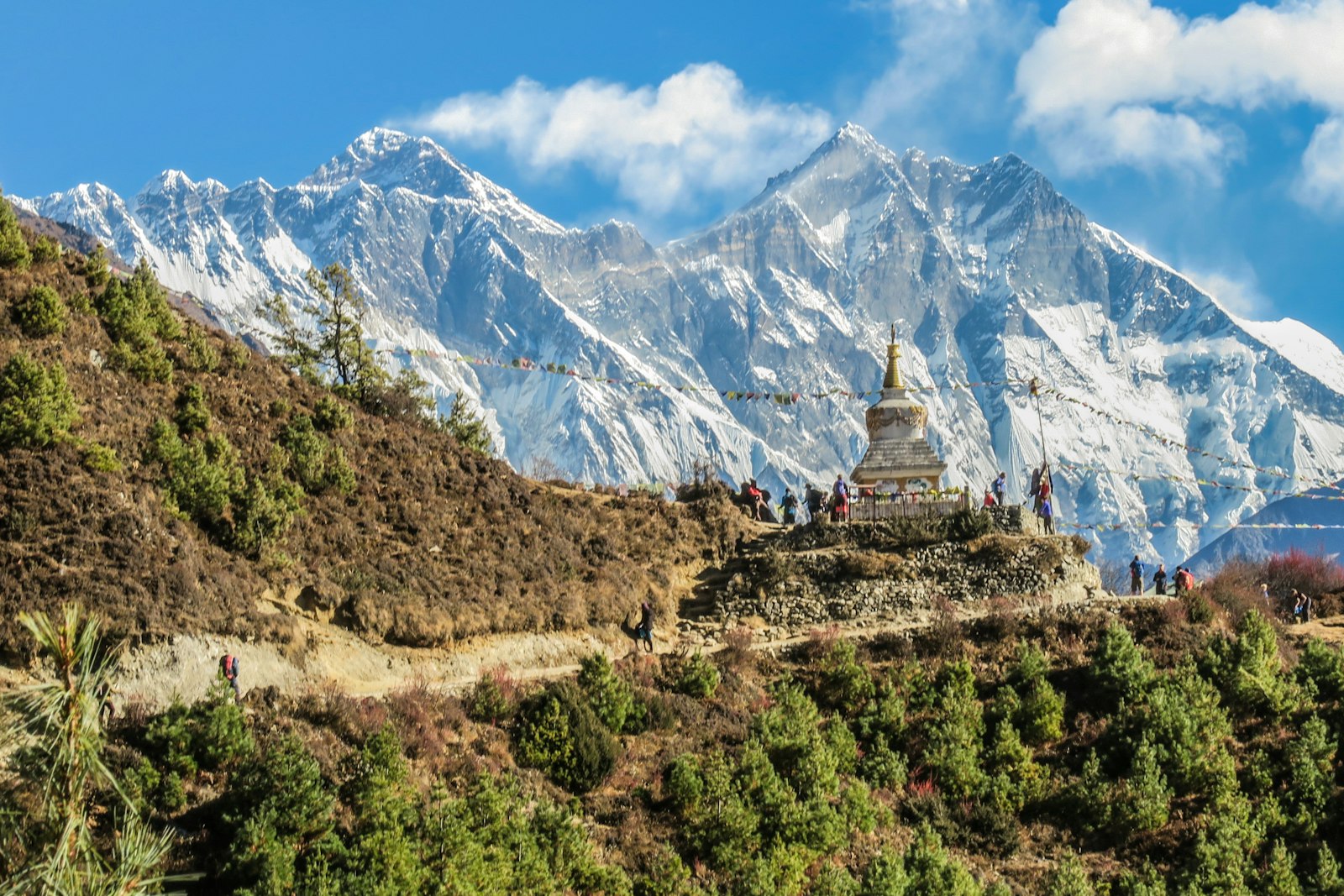
Khumbu · Challenging
Everest Base Camp Trek
Walk to the foot of the highest mountain on earth
14 days
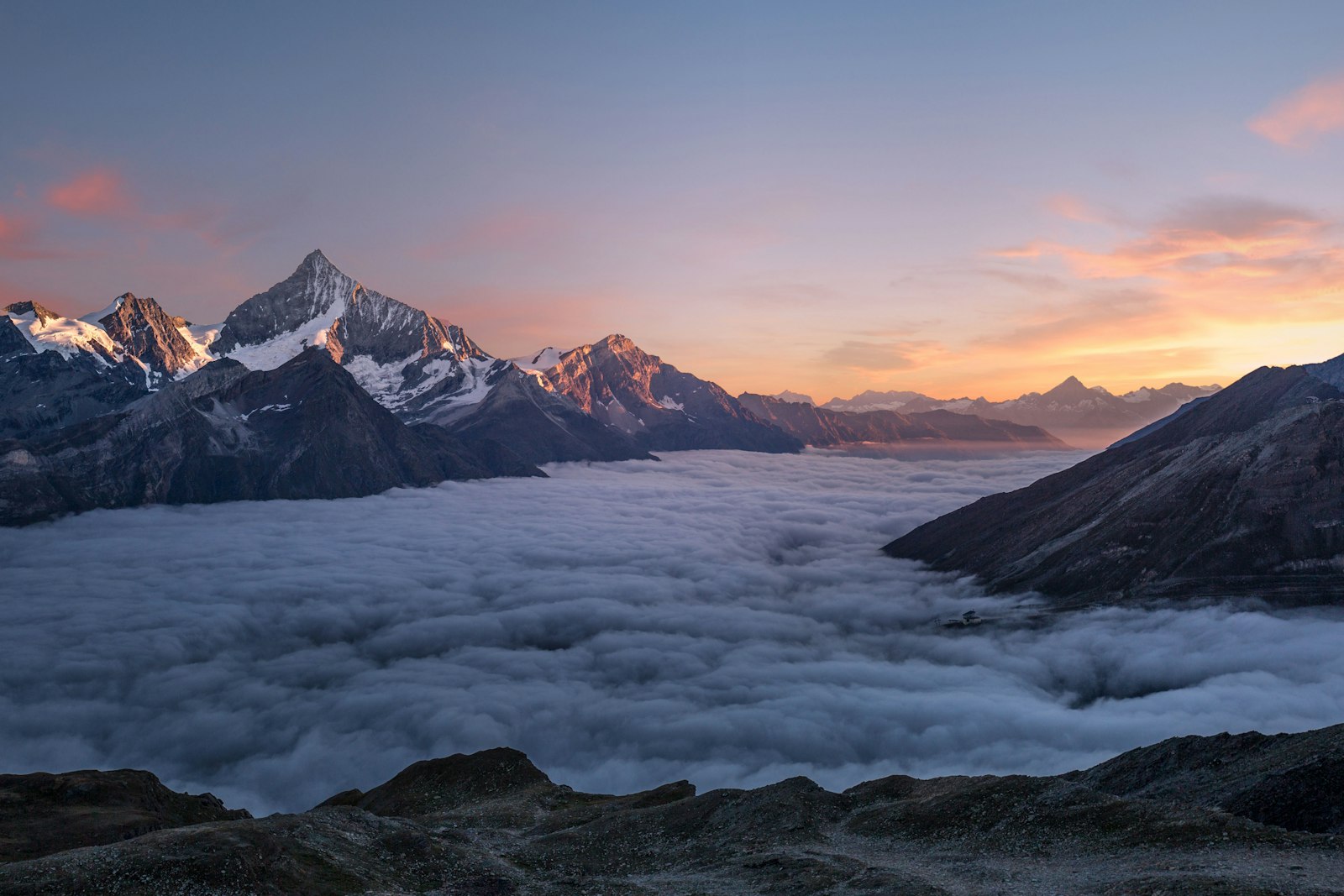
Annapurna · Moderate
Annapurna Base Camp Trek
Ten days into the Annapurna Sanctuary
10 days
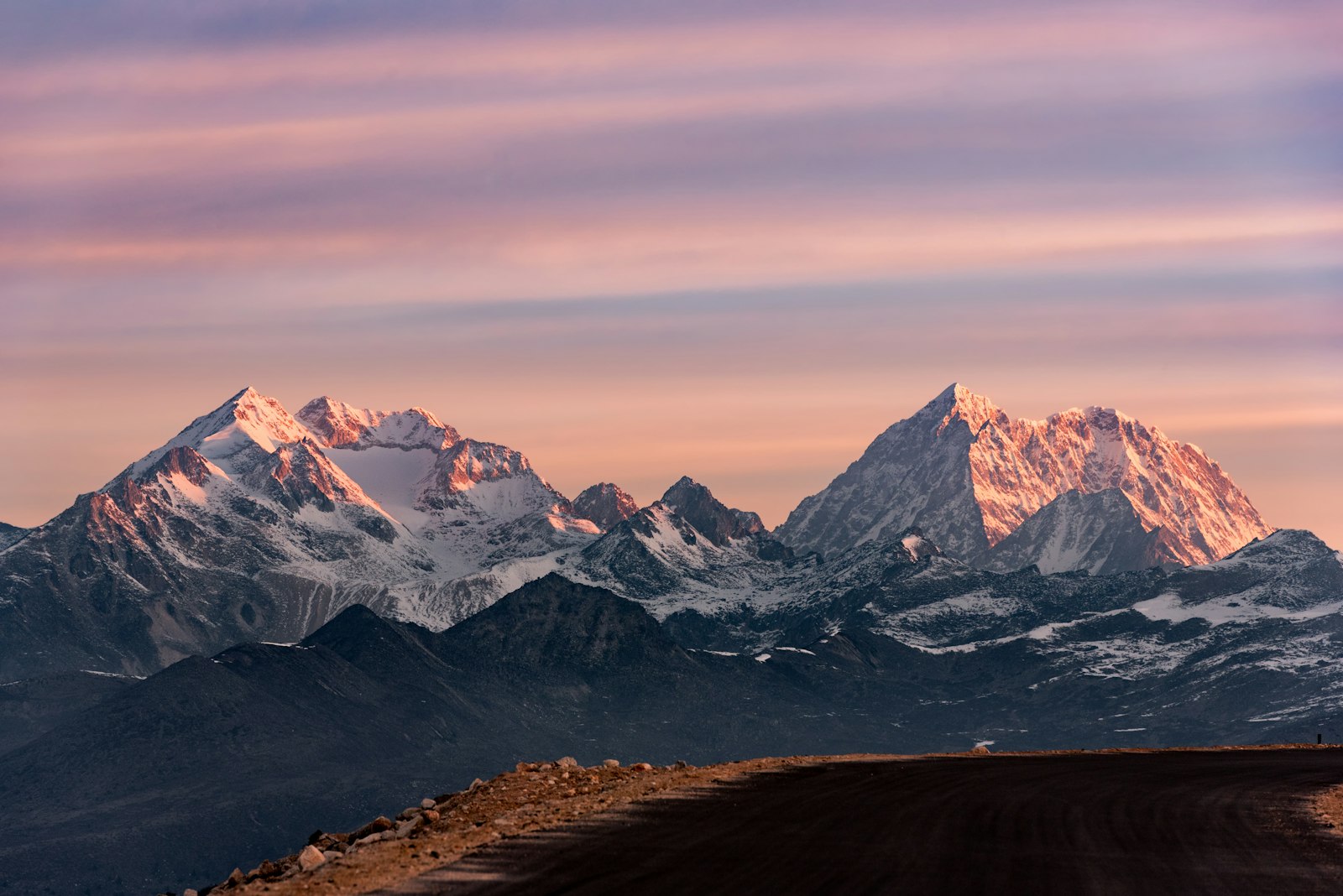
Annapurna · Challenging
Annapurna Circuit Trek
A full loop around the Annapurna massif, from jungle to high desert
13 days