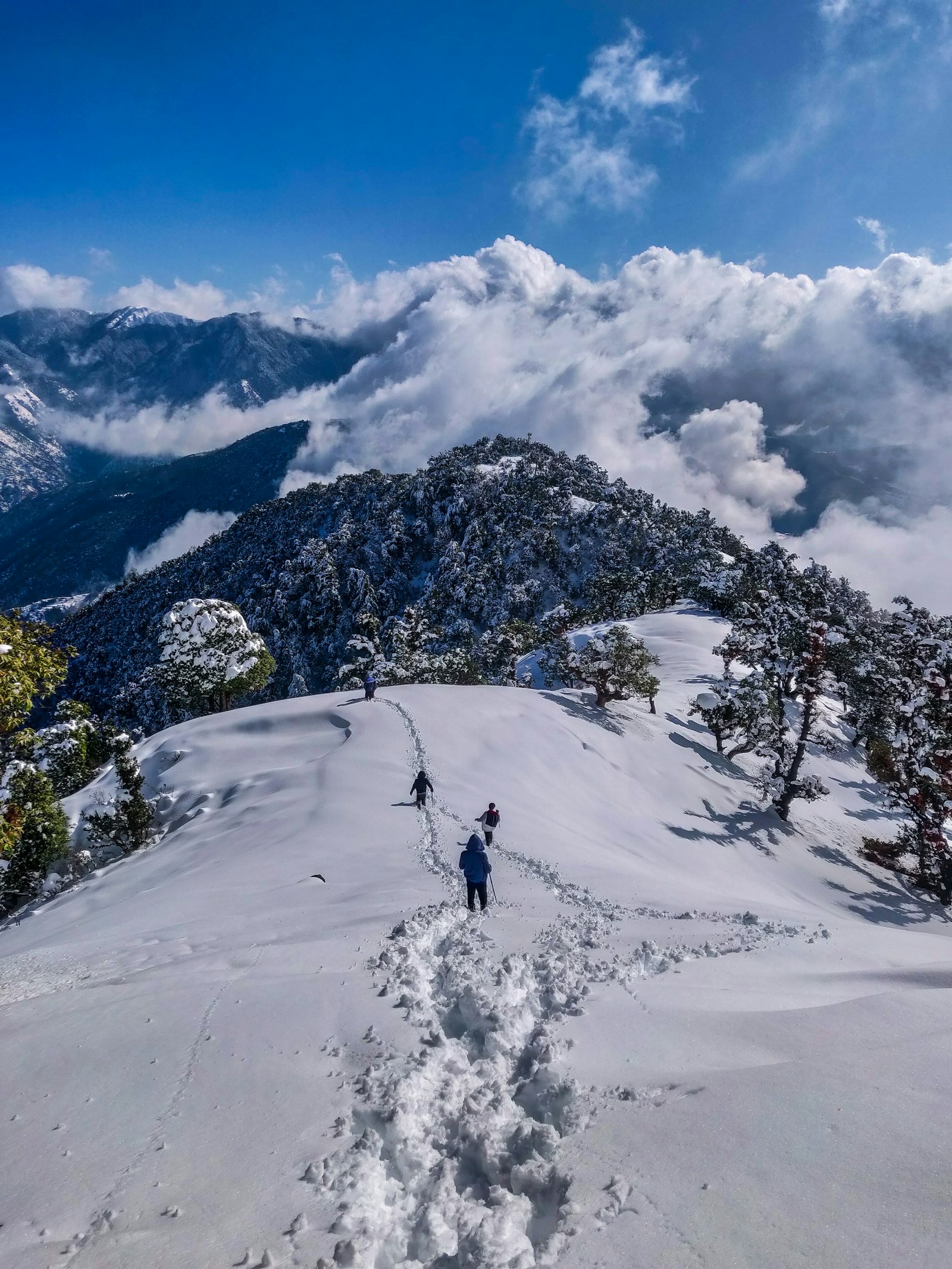
Langtang Valley Trek
Nepal's closest big valley, and one of its quietest
Overview
Langtang is the closest major trekking valley to Kathmandu. The bus north through Rasuwa district takes about seven hours, and yet the place feels far removed from the Khumbu or Annapurna machine. Fewer trekkers come here. That is most of its appeal. The valley is quieter and, in its own understated way, culturally richer than its modest reputation suggests, and you get a full Himalayan walk without the queues.
In April 2015 an earthquake triggered an avalanche and ice collapse that buried much of Langtang Village. Nearly 200 people died, among them villagers, trekkers, and guides. The Tamang communities of the valley have rebuilt in the years since, and walking here now is one practical way to support that work. The new Langtang Village carries itself with a quiet dignity. Many of the teahouse owners are survivors, or the children of people who did not survive.
Tamang culture runs through the whole valley. These are Buddhist people with strong Tibetan roots, and you pass old gompa monasteries, prayer wheels, lines of prayer flags strung across ridges, and yaks grazing the summer pastures. The hospitality is real, and it usually arrives as a glass of butter tea or a wedge of fresh yak cheese.
Kyanjin Gompa (3,870m) is the highest permanent settlement in the valley. A working cheese factory there makes the Langtang yak cheese you'll see sold across Nepal. Above the village hangs the glacier of Langtang Lirung (7,227m), which calves ice with a regular, distant thunder. Climb to Kyanjin Ri (4,984m) and the view opens up to take in Langtang Lirung, Dorje Lakpa, Gangchenpo, Yala Peak, and the valley running back toward Kathmandu. For a trek you can reach this easily, the payoff is large.
Day by Day Itinerary
Leave Kathmandu early, 6–7am, from the Machhapokhari bus park on the local bus to Syabrubesi. A private jeep costs more but is more comfortable and lets you set your own pace. Either way it's 7–8 hours on winding roads through the Trishuli River gorge and up into Rasuwa district. Syabrubesi sits where the Bhote Koshi and Langtang rivers meet. It has decent teahouses, cold beer, and a steady trade of trekkers arriving and leaving. Rest, sort out permits at the national park office, and get ready for the walk.
Permits & Cost Breakdown
Required Permits
| Item | Cost | Notes |
|---|---|---|
| Langtang National Park Entry Fee | $30 USD | Buy it at the national park office in Dhunche, on the road to Syabrubesi, or in Kathmandu. The money goes to running Langtang National Park. Bring a passport photo. Checkpoints at Syabrubesi and Ghoda Tabela will ask to see this permit. |
| Trekkers' Information Management System (TIMS) | $20 USD | Required for all trekkers in the Langtang region. Get it from the Nepal Tourism Board office in Kathmandu (Bhrikutimandap) or the TAAN office. Keep it on you for the whole trek, as checkpoints will want to see it. |
Additional Costs
| Item | Cost | Notes |
|---|---|---|
| Licensed Trek Guide | $30–40 USD/day | Worth taking on this trek, partly because the 2015 earthquake reshaped some sections of trail. A local Tamang guide adds a lot of context you'd otherwise miss, and the money stays in the valley. |
| Porter | $18–25 USD/day | A porter carries up to 25 kg. Hiring locally puts money straight into Langtang's recovering communities. Make sure your porter has proper clothing, footwear, and insurance. Treating porters well is not optional. |
| Teahouse Accommodation | $8–20 USD/night | Rooms are basic but clean, and they cost more the higher you go. Many teahouses keep the room price low if you eat there too, so order your meals where you sleep. It keeps things friendly. |
| Meals (per day) | $20–35 USD/day | Dal bhat (lentil soup, rice, vegetables) is the best value and the most filling thing on the menu, and most teahouses refill your plate for free. Prices at Kyanjin Gompa (3,870m) run higher, since everything has to be hauled up there. Budget a bit more for the top of the valley. |
| Bus to Syabrubesi | $8–12 USD | Local buses leave the Machhapokhari bus park in Kathmandu around 6–7am. Tourist buses and private jeeps cost more, $25–60, and are more comfortable. A private jeep split among a group is the fastest option and the easiest to plan around. |
| Return Bus / Jeep to Kathmandu | $8–12 USD | Same as the way in. Buses leave Syabrubesi early in the morning. In peak season, book the night before if you can. Shared jeeps fill fast and tend to be the more dependable choice for getting back. |
What to Pack
Tips & Important Information
Take Altitude Seriously Above 3,500m
Langtang is gentler than the Annapurna Circuit or EBC, but Kyanjin Gompa is at 3,870m and Kyanjin Ri reaches nearly 5,000m. Acute Mountain Sickness is a real risk if you go up too fast. Take a full rest day at Kyanjin Gompa before Kyanjin Ri, and don't skip it. Watch for a headache that won't shift, nausea, dizziness, and loss of appetite. If rest makes things worse instead of better, go down straight away. A pulse oximeter is handy for keeping an eye on your blood oxygen.
Eat and Sleep Local to Support the Recovery
The 2015 earthquake and avalanche hit Langtang's communities hard. They've rebuilt against long odds, but trekking income is still what keeps the recovery going. Eat at the teahouse where you sleep, buy local where you can (yak cheese, butter tea, handicrafts), tip your guide and porter well, and steer clear of agencies that send the profits out of the valley. Money spent here lands more directly than it does in the more commercial trekking regions.
It's a Long Bus Ride, So Leave Kathmandu Early
The Kathmandu to Syabrubesi road is good-looking but slow and full of bends. Buses from Machhapokhari usually leave at 6–7am and get in by 2–3pm. A private jeep is faster, 5–6 hours, and more comfortable, which matters with a group. The afternoon local bus leaves around 12–1pm and can land you in Syabrubesi after dark, which isn't great. Go early, bring snacks, wear something comfortable, and keep motion sickness pills within reach. The Trishuli Gorge stretch is a fine drive, but it asks for a settled stomach.
When to Go, and What Each Season Is Like
Spring (March–May) is lovely. Rhododendrons come out red and pink through the forest between Syabrubesi and Lama Hotel, and mornings are usually clear. Autumn (October–November) gives the steadiest weather and the cleanest mountain views. October especially is close to ideal for Kyanjin Ri. The monsoon (June–August) is green but wet, with heavy rain, leeches in the lower forest, and views that come and go. Winter (December–February) is cold at Kyanjin Gompa and there may be snow on Kyanjin Ri, but you get fewer people and sharp clear skies on the good days.
Frequently Asked Questions
Recommended Gear
We earn a small commission at no extra cost to you.
Book a Local Guide via GetYourGuide
Connect with experienced, licensed local guides for a safe, enriching trek — browse availability on GetYourGuide.
More Nepal treks
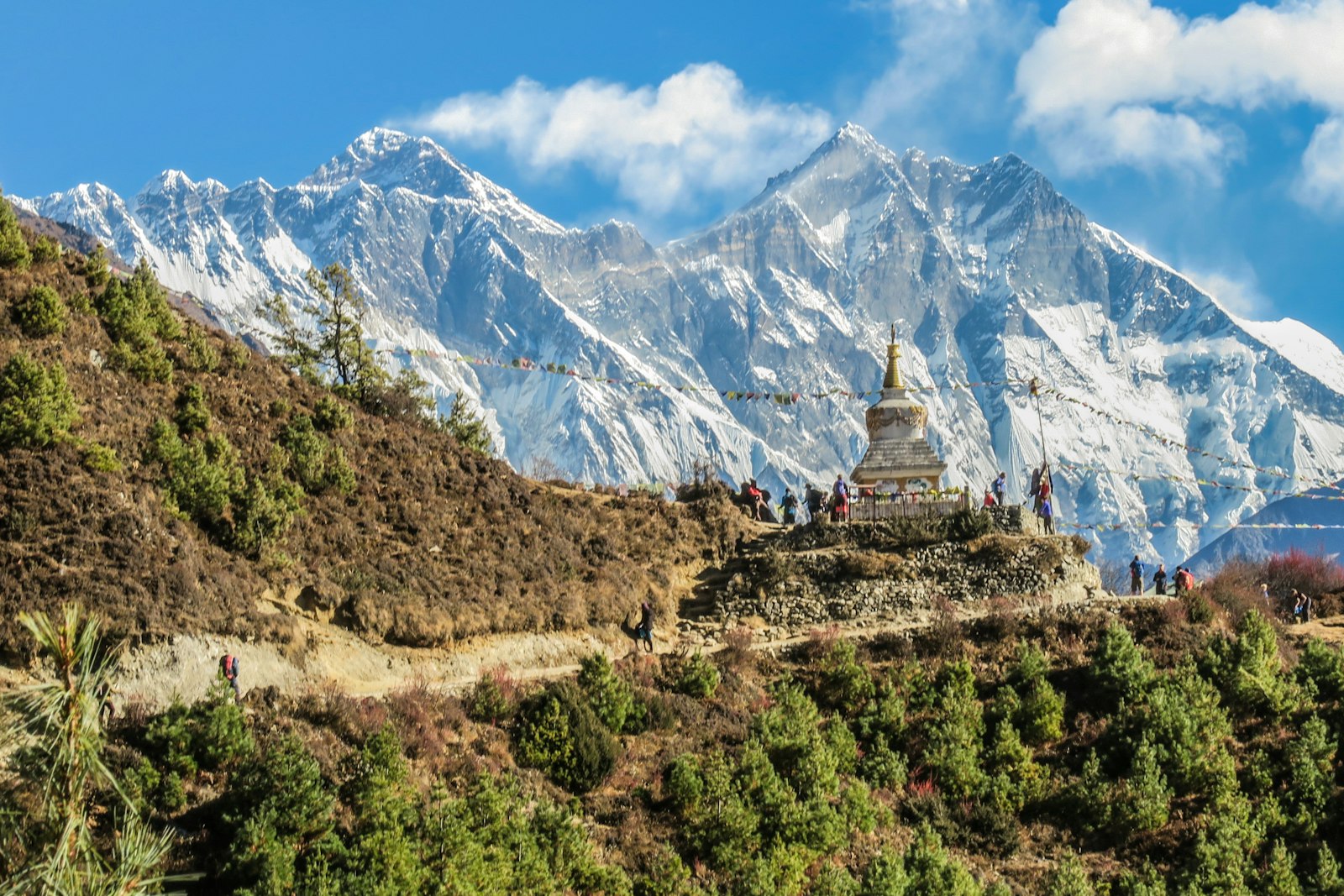
Khumbu · Challenging
Everest Base Camp Trek
Walk to the foot of the highest mountain on earth
14 days
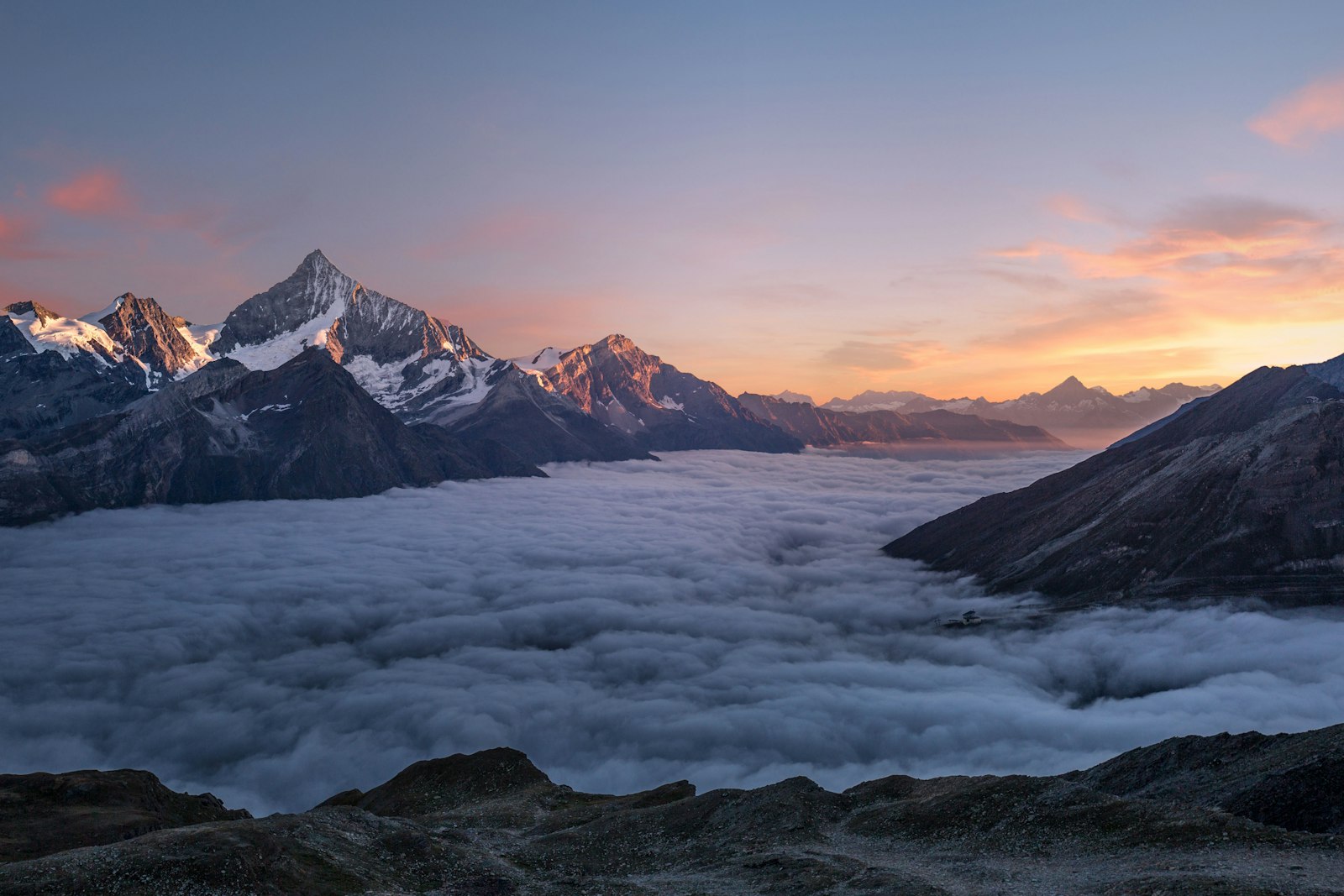
Annapurna · Moderate
Annapurna Base Camp Trek
Ten days into the Annapurna Sanctuary
10 days
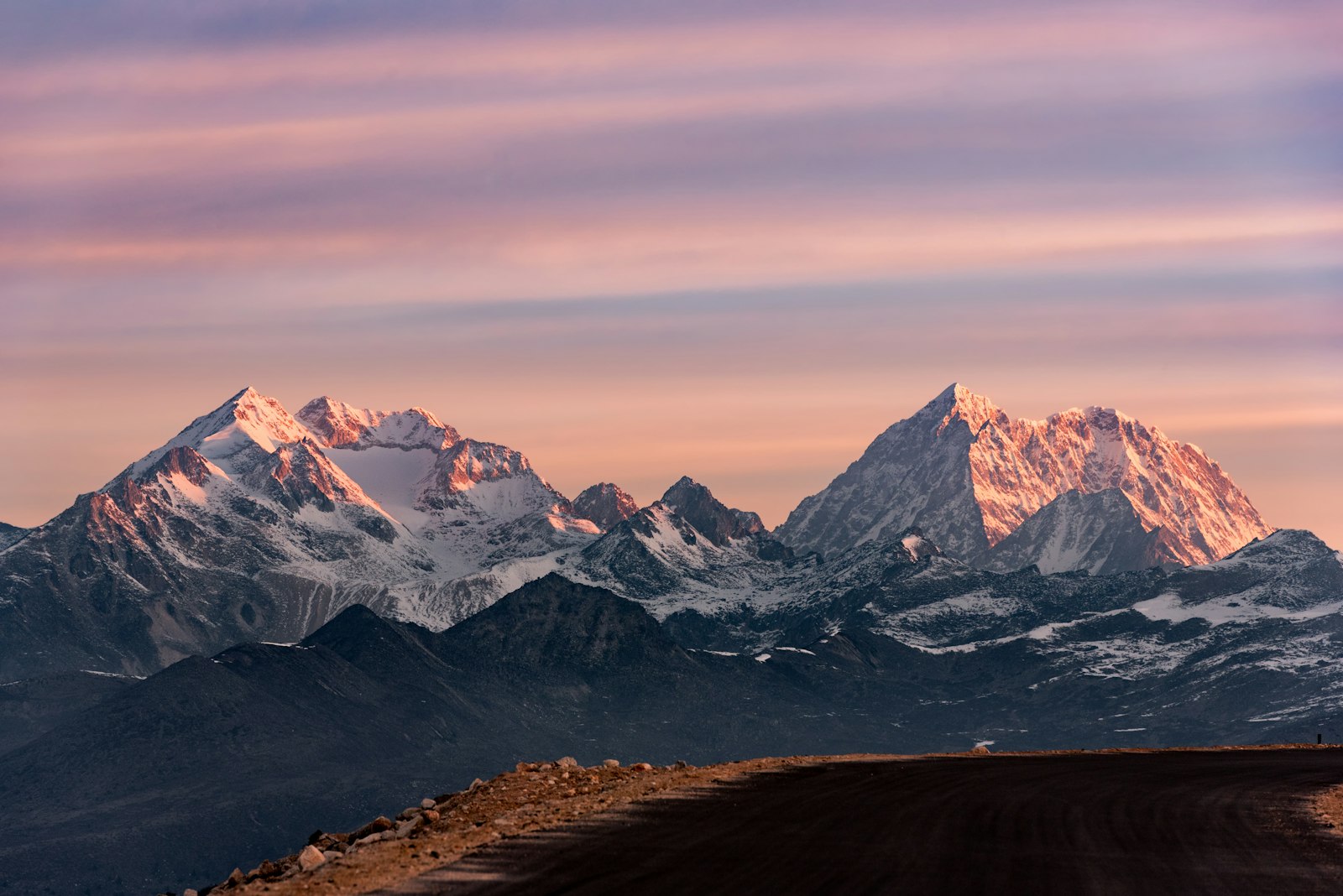
Annapurna · Challenging
Annapurna Circuit Trek
A full loop around the Annapurna massif, from jungle to high desert
13 days