Annapurna Circuit Trek
A full loop around the Annapurna massif, from jungle to high desert
Overview
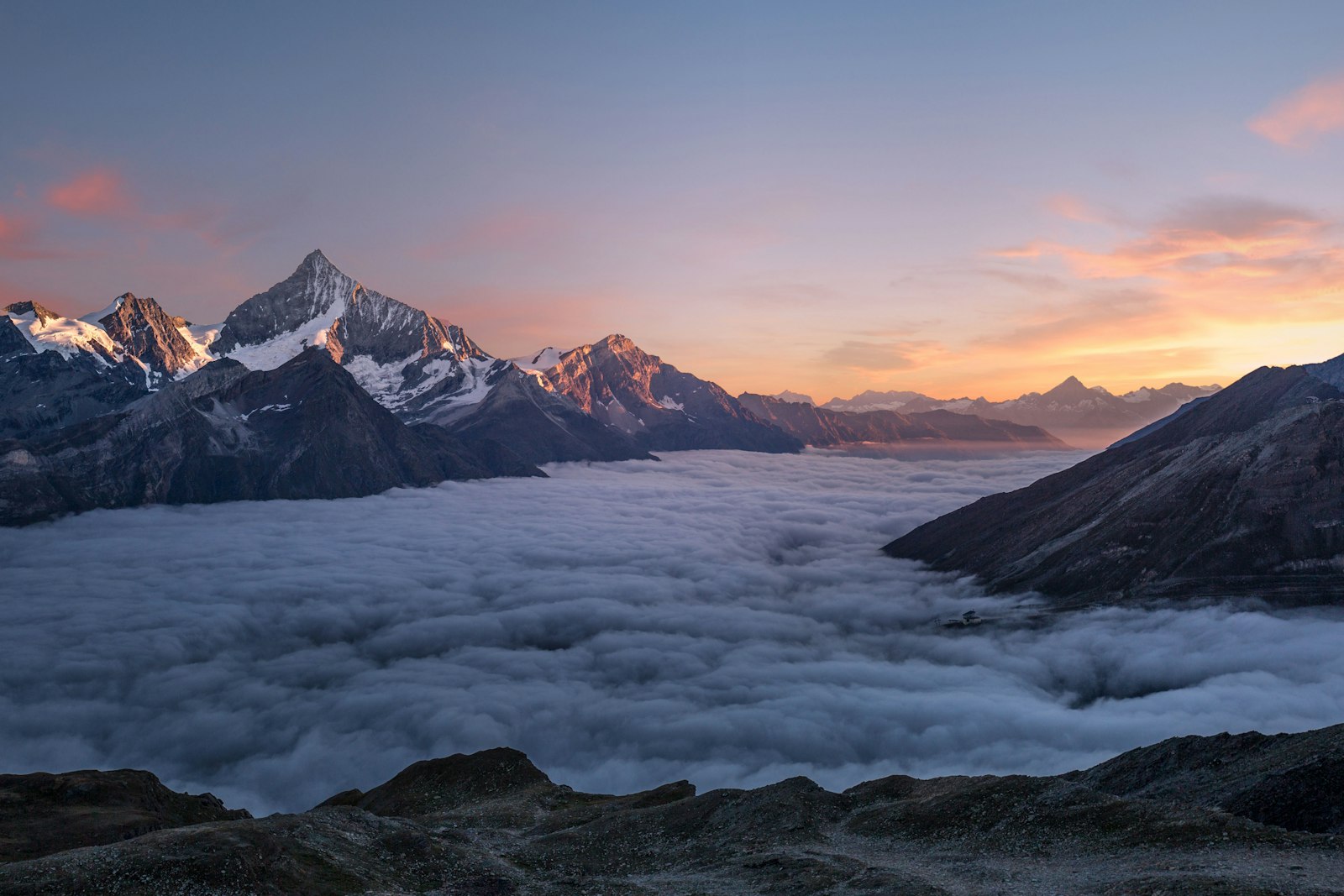
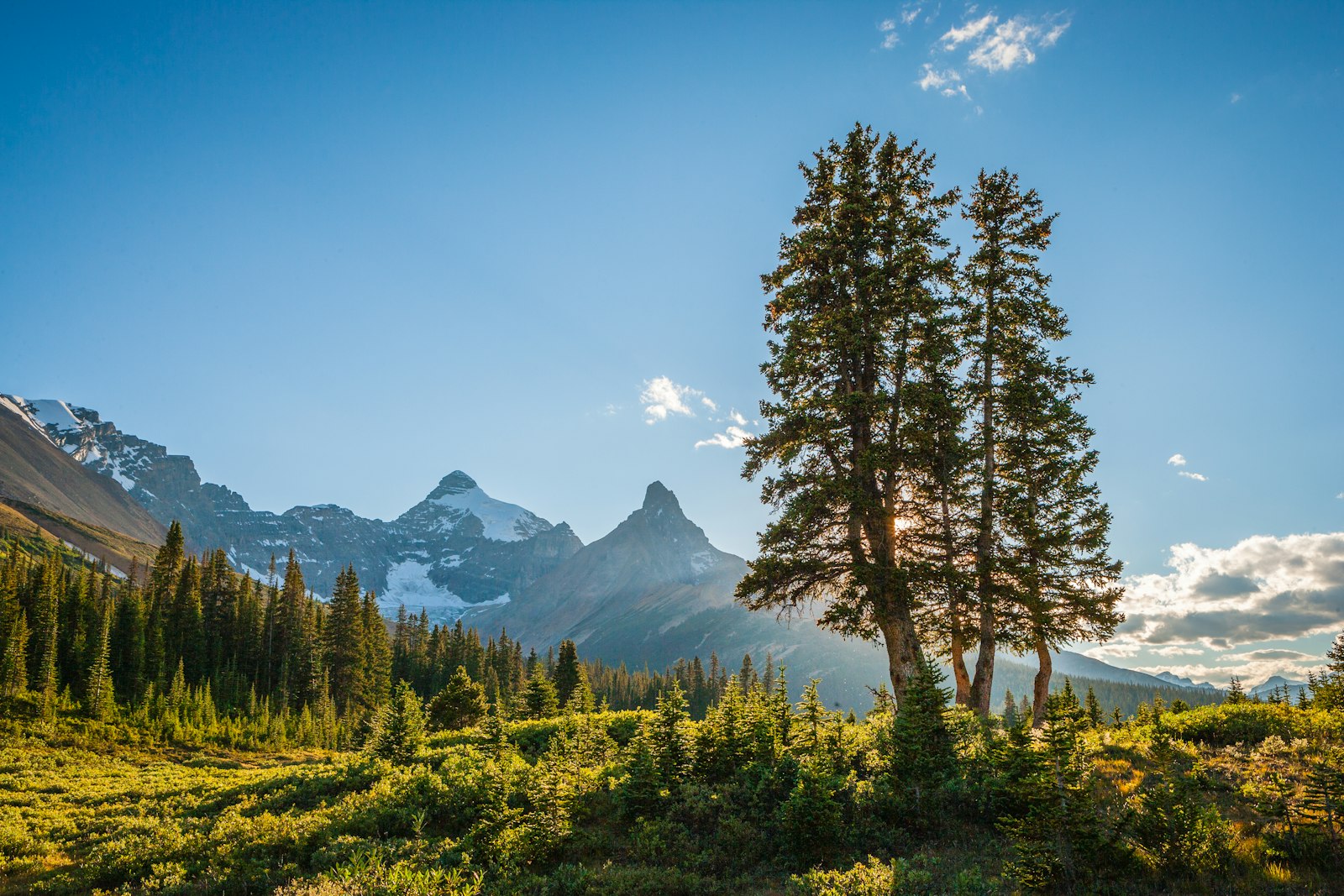
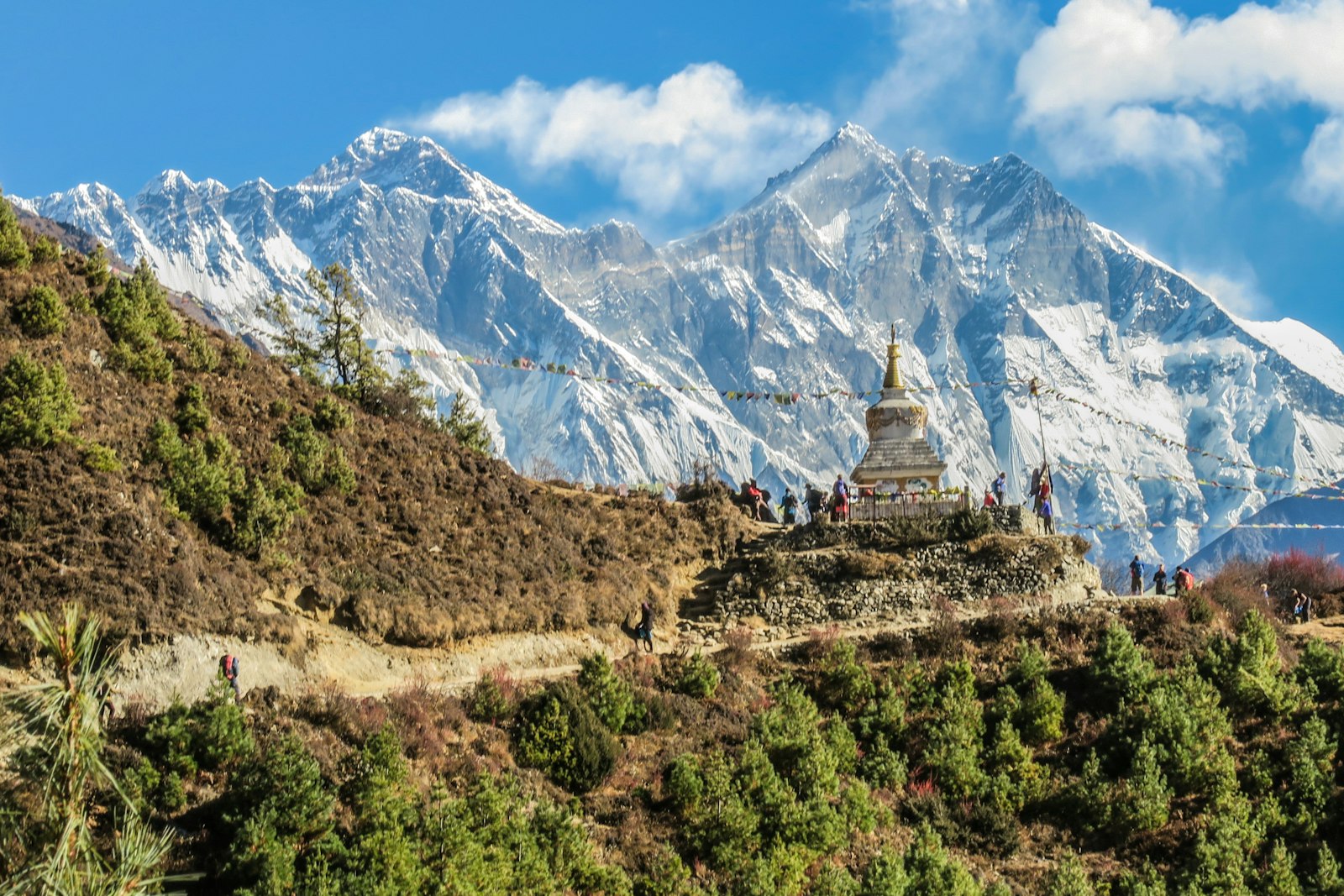
The Annapurna Circuit is a full loop around the Annapurna massif, and what stands out is how much the country changes underfoot. You start low, in the subtropical river valleys of the Marsyangdi. The trail climbs through rhododendron forest, terraced farmland, and pine ridgelines, then breaks above the treeline into the dry alpine country of the Manang Valley. Inside two weeks you go from jungle heat to hard cold, from rice paddies to yak pasture. Few treks cover that kind of range.
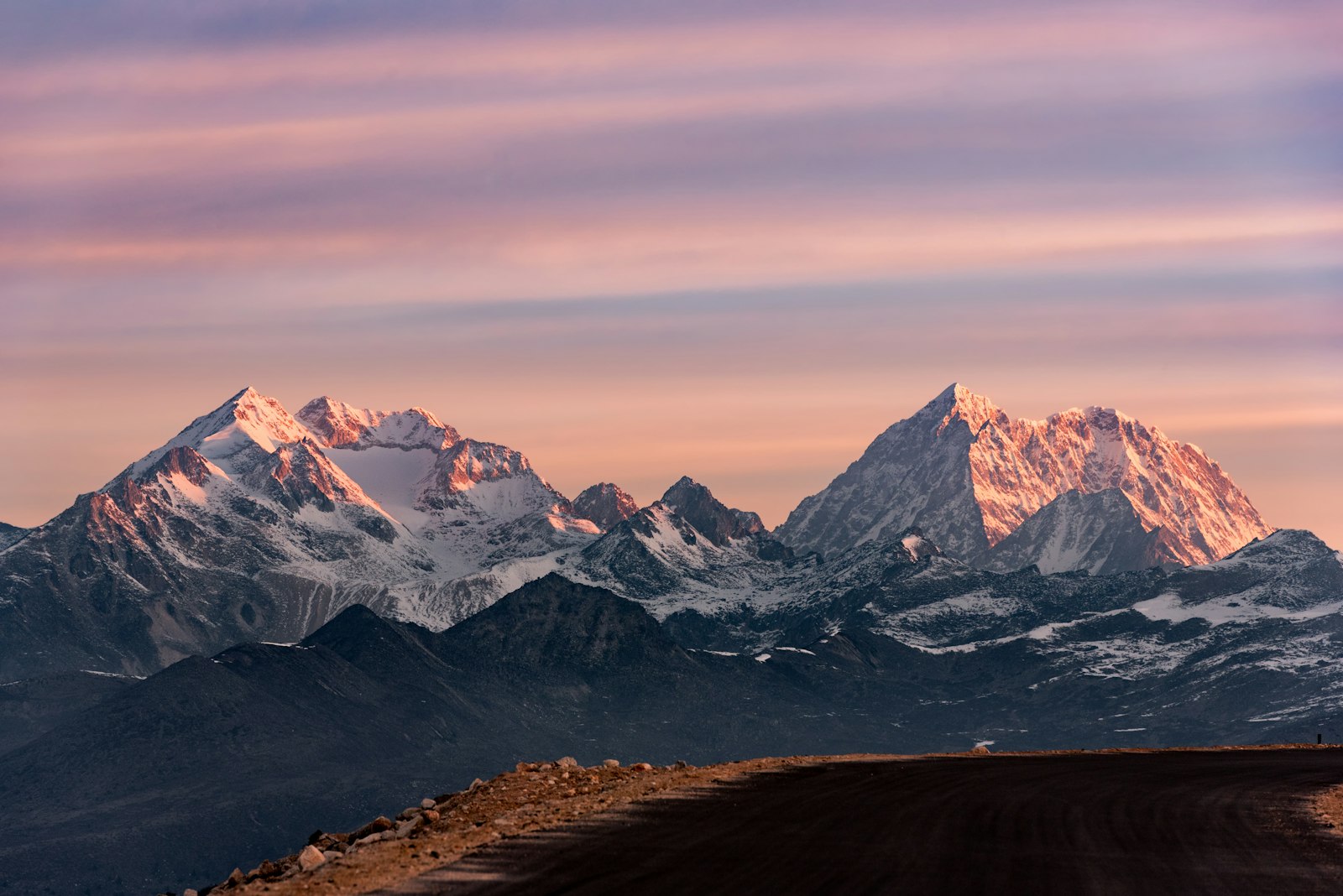
The hardest day is the crossing of Thorong La at 5,416m (17,769ft). You leave in the dark, climb by headlamp through thin air, and then drop a long way down into the valley of Muktinath. It is a big day. Acclimatize properly and start early, and the views from the top are worth the effort. Take the pass lightly and it will punish you.
On the far side you cross into the Mustang rain shadow and the land changes again. The walled town of Kagbeni sits at the gateway to Upper Mustang, where wind-scoured cliffs and ochre earth feel closer to Tibet than to Nepal. Muktinath temple, sacred to Hindus and Buddhists alike, draws pilgrims from across the subcontinent.
You also pass through a string of different communities along the way: Gurung and Magar farmers in the lower valleys, Thakali innkeepers around Kagbeni and Jomsom, and Tibetan-influenced villages up in the high trans-Himalayan zone. The architecture, food, and festivals shift with them. If you have a couple of extra days, the side trip to Tilicho Lake (4,919m), one of the highest lakes in the world, is a worthwhile addition. The circuit asks a lot of you, but it gives back a remarkable cross-section of the Himalaya.
Day by Day Itinerary
Leave Kathmandu early by tourist bus or private jeep for the 6–7 hour drive to Besisahar (760m), the administrative town for the circuit. After lunch, a short jeep or walk gets you to Bhulbhule (840m), where the walking starts and permits are registered. It is an easy riverside evening, good for sorting your pack and meeting the people you'll be sharing the trail with.
Permits & Cost Breakdown
Required Permits
| Item | Cost | Notes |
|---|---|---|
| Annapurna Conservation Area Permit (ACAP) | $30 USD | Required for everyone trekking in the Annapurna region. Buy it in Kathmandu at the Nepal Tourism Board office (Bhrikutimandap) or in Pokhara. Bring passport-size photos. |
| Trekkers' Information Management System (TIMS) | $20 USD | Required whether you trek independently or with a guide. You can get it at the same offices as the ACAP. Keep both cards where you can reach them; there are several checkpoints along the way. |
Additional Costs
| Item | Cost | Notes |
|---|---|---|
| Licensed Trek Guide | $35–45 USD/day | Worth having on a route this long and high, for safety, navigation, and reading the local culture. If something goes wrong near Thorong La, a guide makes a real difference. |
| Porter | $20–25 USD/day | A porter will usually carry up to 25 kg. Hiring one lightens your pack and puts money straight into the local economy. Make sure your porter has proper gear and insurance. |
| Teahouse Accommodation | $10–25 USD/night | Basic twin-share rooms are the cheapest; a room with an attached bathroom costs more. The room price is often kept low on the understanding that you eat your meals at the teahouse, which is the normal arrangement. |
| Meals (per day) | $25–45 USD/day | Dal bhat is the best value and the most filling, and it usually comes with free refills. Prices climb sharply with altitude, so budget extra from Manang upward and especially at High Camp. |
| Bus / Jeep to Besisahar | $15–20 USD | Tourist buses to Besisahar leave from Gongabu bus park in Kathmandu. Shared jeeps cover the same road faster. A private jeep on to Syange or Dharapani, which skips some of the road walking, runs $80–120. |
| Jomsom–Pokhara Flight | $80–120 USD | Tara Air and Summit Air fly this route. Book ahead in peak season. Flights are mornings only, so take the earliest slot you can get. The jeep alternative costs $25–35. |
What to Pack
Tips & Important Information
Altitude Sickness Is Real. Learn the Signs
Above 3,000m, watch for Acute Mountain Sickness: a headache that won't shift, nausea, no appetite, dizziness, and broken sleep. Mild AMS is common and usually settles with rest and fluids. The severe signs are different. Confusion, an inability to walk in a straight line, or crackling in the lungs all mean descend now. Never climb higher while you have AMS symptoms. Go to the free HRA lecture in Manang, and carry a pulse oximeter to keep an eye on your blood oxygen through the upper circuit.
Start Thorong La Before 4am. The Wind Closes the Pass
This is the single most important piece of logistics on the circuit. The afternoon wind on Thorong La can be dangerously strong and bitterly cold. Most of the accidents and forced turnarounds happen to people who set off late and get caught in worsening weather near the top. Set the alarm for 3am, eat breakfast by headlamp, and aim to be on the pass by 9–10am. If you're still climbing past 11am, think hard about heading back down to High Camp.
Work With the Jeep Road, Not Against It
The road from Besisahar up to about Chame has swallowed much of the old lower circuit. Don't try to walk it on principle. Jeep up from Besisahar to Dharapani or Chame and start your walking there. You'll save 3–4 days of trudging beside traffic and arrive at the upper circuit with energy to spare. At the other end, fly or jeep from Jomsom to Pokhara rather than walking the lower Kali Gandaki, which is now almost all road.
Mustang Permit Required Beyond Kagbeni
Kagbeni itself is open to anyone and worth the detour. But the route north from Kagbeni into Upper Mustang needs a restricted-area permit: $500 USD for 10 days, available only through a registered trekking agency and not purchasable on your own. If you want to see the old cave-city of Lo Manthang up there, sort the permit before you leave Kathmandu. With the budget and the time, it's a rare thing to add on.
Best Seasons Are March–May and September–November
Spring, March to May, brings clear skies, rhododendron forest in bloom, and warmth in the lower valleys. October and November is the busiest stretch: clean post-monsoon air, settled weather, and good visibility up high. December to February is cold, and snow can close Thorong La. The monsoon months of June to August mean leeches, rain, and poor views down low, though the rain shadow of the upper circuit stays surprisingly dry.
Frequently Asked Questions
Recommended Gear
We earn a small commission at no extra cost to you.
Book a Local Guide via GetYourGuide
Connect with experienced, licensed local guides for a safe, enriching trek — browse availability on GetYourGuide.